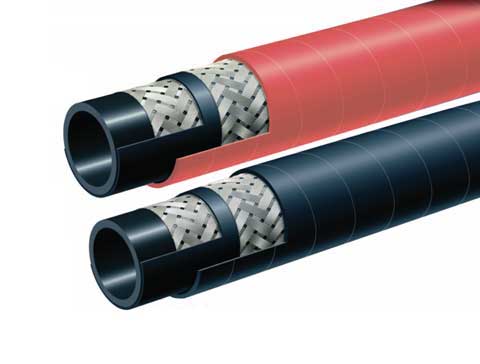
Wear resistant outer rubber hydraulic oil pipe, preferred for anti sand and gravel friction engineering machinery under harsh working conditions
release date:2026-08-12 09:53:17
reading volume:
share:
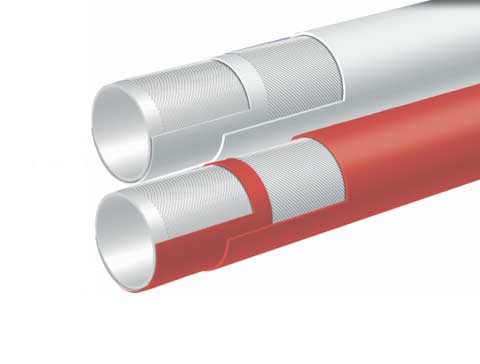
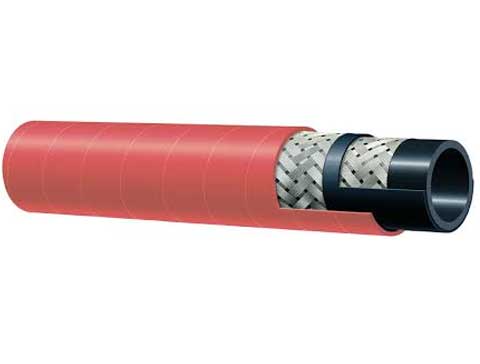
In harsh working conditions such as mining, tunnel excavation, and construction sites, hydraulic hoses are often exposed to the continuous impact and ground drag friction of gravel, sand, and rock debris. The ordinary outer adhesive layer will wear out in such an environment for several months. Once worn through, rainwater and sediment will invade the reinforcement layer, causing steel wire corrosion and a sudden reduction in pulse life, ultimately leading to pipe burst accidents. The wear-resistant outer rubber hydraulic oil pipe is a professional product designed for this working condition - constructed with polyurethane or special synthetic rubber outer rubber to create a sturdy barrier against sand and gravel friction, reinforced with multiple layers of steel wire or fiber to ensure pressure reliability, and verified for wear resistance according to standards such as GB/T 12721. It has become the "protective armor" for engineering machinery to extend its service life in harsh environments.
 1、 The cost of wear and tear: why the failure of the outer adhesive layer is the "invisible killer" of construction machinery
In the failure mode of hydraulic hoses in construction machinery, the proportion of faults caused by the wear of the outer rubber layer is extremely high. Industry statistics show that more than 40% of hydraulic system failures in construction machinery are caused by pipeline failures, while hidden damage caused by static placement during the winter break during spring resumption of work - microcracks in the outer rubber layer and elastic attenuation of joint seals - erupts in a concentrated manner after pressurization in early spring.
The chain reaction of the failure of the outer adhesive layer is quite direct: once the outer adhesive is worn through, the reinforcing layer steel wire is exposed to rainwater, mud, and chemically corrosive liquids, and can rust in a humid environment for several weeks, resulting in a significant decrease in tensile strength. At this point, the burst pressure of the hose may decrease from 4 times the safety factor to less than 2 times, and the risk of pipe burst sharply increases. In harsh working conditions such as mining and construction, unplanned downtime caused by external rubber wear can cost tens of thousands of yuan per maintenance, and the production capacity loss caused by downtime is difficult to estimate.
This is precisely the value of the wear-resistant outer rubber design - it is not an added feature, but a key guarantee for the sustainable operation of construction machinery in harsh working conditions.
2、 Wear resistant material code: "Anti sand and gravel armor" of polyurethane and special rubber
Polyurethane (PU) outer layer is currently the most outstanding solution for wear resistance. The outer layer of Transfer Oil's R7 ET medium pressure ultra wear-resistant thermoplastic hose is made of polyurethane material, specially developed for engineering machinery and agricultural equipment that require better wear resistance. It is suitable for heavy-duty scenarios such as cranes and general hydraulic systems. Its ultra wear resistance exhibits durability far exceeding that of traditional rubber in environments with sand and gravel friction. Another MSHA certified R7 wear-resistant thermoplastic hose also uses a polyurethane outer layer, which is lighter, softer, and more wear-resistant than conventional R1 rubber hoses.
Special ultra wear-resistant synthetic rubber is another mainstream technological path. Some high-performance products claim that their ultra wear-resistant outer rubber layer meets the ISO 6945 abrasion resistance test standard, which is 300 times more wear-resistant than the standard rubber tube outer rubber layer. At the same time, it has super strong resistance to ozone, ultraviolet radiation, and aging. The outer adhesive layer thickness of 4SH specification hose is increased by about 30% compared to 4SP, greatly improving its wear resistance and mechanical impact resistance. EN856 4SH and 4SP are both four layer steel wire wound hoses, but 4SH exhibits a longer service life under mining and ultra-high pressure impact conditions by thickening the outer rubber layer.
The standardized evaluation of wear resistance is the basis for measuring product quality. GB/T 12721-2007 "Determination of Wear Resistance of Rubber Hose Outer Coating" specifies the method for measuring the wear resistance of the outer rubber layer, which is applicable to hydraulic hoses with fabric or steel wire reinforcement layers and can be used to compare product quality levels. The products tested by this standard have clear quantitative indicators for their wear resistance level, providing technical basis for selection.
3、 Engineering machinery scene adaptation: "full working condition coverage" from mining excavation to construction sites
The value of wear-resistant outer rubber hydraulic oil pipes is particularly prominent in various harsh working conditions of construction machinery.
The mining and excavation scene is the "touchstone" that tests the wear-resistant outer rubber. The underground tunnels are narrow, and the hoses often rub against the rock walls and equipment frames repeatedly; Dust and gravel splashing during ore transportation continuously impact the pipe wall. The hose made of polyurethane or ultra wear-resistant rubber outer rubber can effectively resist the scratching of falling rocks and rock debris. At the most severely worn points (such as hose intersections and contact with metal components), even without additional spring or nylon sheaths, the ultra wear-resistant outer rubber layer can provide reliable protection.
The resumption of work in spring and low-temperature conditions also require special requirements for wear-resistant outer rubber. The temperature difference between day and night in northern spring is large, and ordinary rubber is more prone to scratches from sand and gravel after low-temperature hardening, reducing its service life by more than 60%. Choosing wear-resistant rubber materials that are resistant to low temperatures (-40 ℃ to+121 ℃) can maintain the flexibility of the outer rubber in extremely cold environments, avoiding cracking and peeling caused by low-temperature embrittlement. The outer rubber layer of the Litong LT581 four layer steel wire wrapped hose is made of oil resistant and weather resistant synthetic rubber, which can work stably in an environment from -40 ℃ to+121 ℃ and is suitable for heavy-duty and high-pressure scenarios in construction machinery and agricultural and forestry machinery.
The selection and maintenance points also determine the actual service life of the hose in harsh working conditions. In areas with high risk of wear and tear, priority should be given to products with super wear-resistant grades marked on the outer rubber layer, rather than universal hoses; In areas with moderate wear and tear risk, the lifespan of the outer adhesive can be extended by installing nylon sheaths or spiral protective tapes; Pay close attention to the wear depth of the outer rubber layer during daily inspections (if it exceeds 1mm, it is recommended to replace it), and replace it immediately when the steel wire layer is exposed due to wear.
In summary, the wear-resistant outer rubber hydraulic oil pipe, with its polyurethane/special rubber sand and gravel barrier, wear resistance level verified by GB/T 12721 standard, and full field adaptation to mining and construction conditions, perfectly meets the systematic requirements of "external rubber friction resistance, steel wire rust prevention, and long-life operation" for harsh working conditions of construction machinery. From 300 times wear resistance to 30% thickness redundancy of 4SH outer rubber, from -40 ℃ low-temperature toughness to durable protection in mining, every technical detail points to the same goal: to provide reliable guarantees for hydraulic systems to withstand friction and erosion on mining faces with flying gravel and muddy construction sites.
1、 The cost of wear and tear: why the failure of the outer adhesive layer is the "invisible killer" of construction machinery
In the failure mode of hydraulic hoses in construction machinery, the proportion of faults caused by the wear of the outer rubber layer is extremely high. Industry statistics show that more than 40% of hydraulic system failures in construction machinery are caused by pipeline failures, while hidden damage caused by static placement during the winter break during spring resumption of work - microcracks in the outer rubber layer and elastic attenuation of joint seals - erupts in a concentrated manner after pressurization in early spring.
The chain reaction of the failure of the outer adhesive layer is quite direct: once the outer adhesive is worn through, the reinforcing layer steel wire is exposed to rainwater, mud, and chemically corrosive liquids, and can rust in a humid environment for several weeks, resulting in a significant decrease in tensile strength. At this point, the burst pressure of the hose may decrease from 4 times the safety factor to less than 2 times, and the risk of pipe burst sharply increases. In harsh working conditions such as mining and construction, unplanned downtime caused by external rubber wear can cost tens of thousands of yuan per maintenance, and the production capacity loss caused by downtime is difficult to estimate.
This is precisely the value of the wear-resistant outer rubber design - it is not an added feature, but a key guarantee for the sustainable operation of construction machinery in harsh working conditions.
2、 Wear resistant material code: "Anti sand and gravel armor" of polyurethane and special rubber
Polyurethane (PU) outer layer is currently the most outstanding solution for wear resistance. The outer layer of Transfer Oil's R7 ET medium pressure ultra wear-resistant thermoplastic hose is made of polyurethane material, specially developed for engineering machinery and agricultural equipment that require better wear resistance. It is suitable for heavy-duty scenarios such as cranes and general hydraulic systems. Its ultra wear resistance exhibits durability far exceeding that of traditional rubber in environments with sand and gravel friction. Another MSHA certified R7 wear-resistant thermoplastic hose also uses a polyurethane outer layer, which is lighter, softer, and more wear-resistant than conventional R1 rubber hoses.
Special ultra wear-resistant synthetic rubber is another mainstream technological path. Some high-performance products claim that their ultra wear-resistant outer rubber layer meets the ISO 6945 abrasion resistance test standard, which is 300 times more wear-resistant than the standard rubber tube outer rubber layer. At the same time, it has super strong resistance to ozone, ultraviolet radiation, and aging. The outer adhesive layer thickness of 4SH specification hose is increased by about 30% compared to 4SP, greatly improving its wear resistance and mechanical impact resistance. EN856 4SH and 4SP are both four layer steel wire wound hoses, but 4SH exhibits a longer service life under mining and ultra-high pressure impact conditions by thickening the outer rubber layer.
The standardized evaluation of wear resistance is the basis for measuring product quality. GB/T 12721-2007 "Determination of Wear Resistance of Rubber Hose Outer Coating" specifies the method for measuring the wear resistance of the outer rubber layer, which is applicable to hydraulic hoses with fabric or steel wire reinforcement layers and can be used to compare product quality levels. The products tested by this standard have clear quantitative indicators for their wear resistance level, providing technical basis for selection.
3、 Engineering machinery scene adaptation: "full working condition coverage" from mining excavation to construction sites
The value of wear-resistant outer rubber hydraulic oil pipes is particularly prominent in various harsh working conditions of construction machinery.
The mining and excavation scene is the "touchstone" that tests the wear-resistant outer rubber. The underground tunnels are narrow, and the hoses often rub against the rock walls and equipment frames repeatedly; Dust and gravel splashing during ore transportation continuously impact the pipe wall. The hose made of polyurethane or ultra wear-resistant rubber outer rubber can effectively resist the scratching of falling rocks and rock debris. At the most severely worn points (such as hose intersections and contact with metal components), even without additional spring or nylon sheaths, the ultra wear-resistant outer rubber layer can provide reliable protection.
The resumption of work in spring and low-temperature conditions also require special requirements for wear-resistant outer rubber. The temperature difference between day and night in northern spring is large, and ordinary rubber is more prone to scratches from sand and gravel after low-temperature hardening, reducing its service life by more than 60%. Choosing wear-resistant rubber materials that are resistant to low temperatures (-40 ℃ to+121 ℃) can maintain the flexibility of the outer rubber in extremely cold environments, avoiding cracking and peeling caused by low-temperature embrittlement. The outer rubber layer of the Litong LT581 four layer steel wire wrapped hose is made of oil resistant and weather resistant synthetic rubber, which can work stably in an environment from -40 ℃ to+121 ℃ and is suitable for heavy-duty and high-pressure scenarios in construction machinery and agricultural and forestry machinery.
The selection and maintenance points also determine the actual service life of the hose in harsh working conditions. In areas with high risk of wear and tear, priority should be given to products with super wear-resistant grades marked on the outer rubber layer, rather than universal hoses; In areas with moderate wear and tear risk, the lifespan of the outer adhesive can be extended by installing nylon sheaths or spiral protective tapes; Pay close attention to the wear depth of the outer rubber layer during daily inspections (if it exceeds 1mm, it is recommended to replace it), and replace it immediately when the steel wire layer is exposed due to wear.
In summary, the wear-resistant outer rubber hydraulic oil pipe, with its polyurethane/special rubber sand and gravel barrier, wear resistance level verified by GB/T 12721 standard, and full field adaptation to mining and construction conditions, perfectly meets the systematic requirements of "external rubber friction resistance, steel wire rust prevention, and long-life operation" for harsh working conditions of construction machinery. From 300 times wear resistance to 30% thickness redundancy of 4SH outer rubber, from -40 ℃ low-temperature toughness to durable protection in mining, every technical detail points to the same goal: to provide reliable guarantees for hydraulic systems to withstand friction and erosion on mining faces with flying gravel and muddy construction sites.
Previous: