High temperature resistant hydraulic oil pipe, working temperature of 125 ℃, stable operation of thermal hydraulic system
release date:2026-08-12 10:03:04
reading volume:
share:
In high-temperature operation scenarios such as metallurgical casting, engineering machinery, and oil and gas extraction, hydraulic systems are subjected to continuous thermal load tests for a long time. It is normal for hydraulic oil temperature to exceed 100 ℃. Ordinary rubber hoses experience accelerated aging of the inner rubber layer and decreased bonding strength of the reinforcement layer at high temperatures, resulting in a sudden reduction in lifespan. The 125 ℃ high-temperature resistant hydraulic oil pipe is a professional solution for this working condition - it uses special heat-resistant rubber/thermoplastic inner pipes to construct a thermal stability barrier, reinforced with multi-layer steel wires to ensure pressure reliability under high temperature, and provides sufficient redundancy with a 4:1 safety factor, becoming a flexible channel in the thermal hydraulic system that "does not fail at high temperature and does not age for a long time".
 1、 125 ℃ working condition positioning: surpassing the conventional "heat load threshold"
The working temperature range of hydraulic hoses directly corresponds to their service life and reliability. The continuous working temperature of commonly used hydraulic hoses in the industry is usually -40 ℃ to+100 ℃, with a short-term peak value of up to 125 ℃. The continuous working level of 125 ℃ means that the hose can operate stably for a long time at the upper limit of the standard temperature range.
Ordinary hydraulic hoses experience accelerated aging of the inner rubber layer, decreased bonding strength of the reinforcement layer, and a sudden reduction in lifespan in environments above 80 ℃. Under continuous high temperature of 125 ℃, ordinary hoses without special design may fail within hundreds of hours, while professional high-temperature hoses can operate stably for thousands of hours. This difference is directly reflected in the significant differences in maintenance frequency and downtime costs in high heat load scenarios such as metallurgy and engineering machinery.
International standards have a clear definition of this - standards such as SAE 100R12 set the upper limit of temperature resistance at 121 ℃, while higher performance HT series products increase this indicator to 130 ℃ or even 150 ℃. The 125 ℃ resistance level precisely covers the critical transition range from standard products to ultra-high temperature products, making it the most widely applicable solution for high-temperature working conditions.
2、 Triple protection system for high temperature resistance: system integration of materials and structures
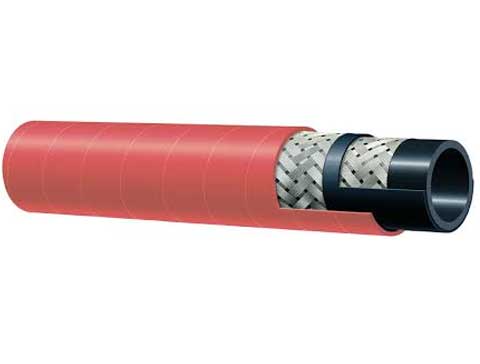
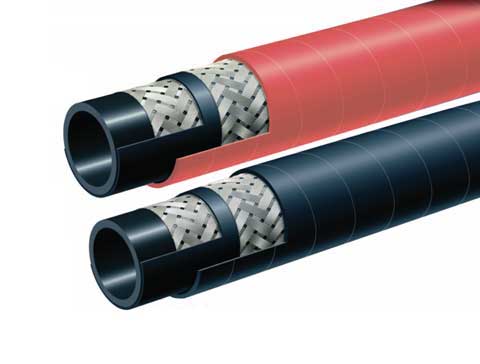
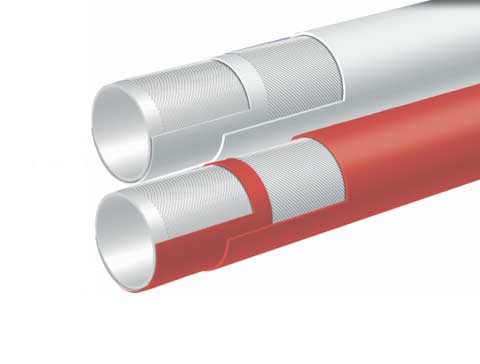
The excellent thermal stability of hydraulic oil pipes that can withstand high temperatures of 125 ℃ is derived from the systematic material innovation of the three-layer structure of "inner rubber layer reinforcement layer outer rubber layer".
The inner rubber layer is the core barrier for direct contact with hot hydraulic oil, which needs to meet both oil swelling resistance and high temperature stability. 125 ℃ high temperature oil pipes usually use hydrogenated nitrile rubber (HNBR) or chlorinated ether rubber as the substrate. HNBR can maintain excellent elasticity and oil resistance at high temperatures of 125 ℃ by hydrogenation treatment of unsaturated double bonds in saturated molecular chains, and the volume change rate can be controlled within an extremely low range. Mature products such as Parker HT2 series use NBR inner adhesive layer, with a continuous working temperature coverage of -40 ℃ to+125 ℃, and a peak value of up to 135 ℃. For higher end demand, Transfer Oil's 4SW-HT series uses polyvinylidene fluoride (PVDF) thermoplastic inner tube, which has a temperature resistance of up to 130 ℃ and forms an effective barrier against gas permeation.
The reinforcement layer is the mechanical skeleton of the hose that withstands high-pressure pulses at high temperatures. Under high temperature conditions of 125 ℃, the reinforcement layer usually adopts a multi-layer high-strength steel wire winding structure, which is tightly wound in alternating directions. Taking SAE 100R13 as an example, the working pressure of the four layer steel wire winding structure reaches 35MPa, the minimum burst pressure is 140MPa (4 times the working pressure), and the temperature range covers -40 ℃ to+121 ℃. The layers of steel wires are bonded together through a special heat-resistant interlayer adhesive layer, ensuring excellent interlayer bonding strength at high temperatures and avoiding interlayer peeling caused by temperature rise.
The outer glue layer shall be resistant to the external high temperature environment, and shall be resistant to ozone, oil and aging. The outer rubber layer of 125 ℃ high-temperature oil pipes is generally made of chloroprene rubber (CR) or heat-resistant synthetic rubber, which can withstand sustained high temperatures and has self extinguishing flame retardant properties. The ozone resistance of high-quality products can withstand 50pphm × 40 ℃ × 150 hours of testing (ASTM D1149 standard), ensuring that the outer adhesive layer is not exposed to the reinforcement layer due to ozone cracking.
3、 Adaptation and Life Management of Hot Hydraulic Systems
The application scenarios of 125 ℃ high-temperature resistant oil pipes cover areas with strict requirements for thermal stability, such as metallurgical continuous casting, engineering machinery, oil and gas extraction, and ultra-high pressure hydraulic tools. In the metallurgical casting industry, the hydraulic systems of continuous casting machines and hot rolling mills are exposed to high-temperature radiation environments for a long time. Ordinary rubber hoses age and crack within a few weeks, while 125 ℃ high-temperature oil pipes can operate stably for more than a year.
The key points of selection need to be comprehensively considered in terms of medium temperature and environmental temperature. When selecting, it is necessary to ensure that the temperature rating of the hose is at least 5-10 ℃ higher than the maximum temperature under actual working conditions, in order to reserve a safety margin for abnormal working conditions such as pressure fluctuations. At the same time, attention should be paid to whether the reinforcement layer structure matches the system pulse frequency - the four layer or six layer steel wire winding structure performs better than the woven structure under high-temperature pulse conditions.
In terms of installation and protection, the hose should be kept away from high temperature sources as much as possible. If it is unavoidable, a thermal insulation sheath or ceramic fiber insulation felt should be installed. The bending radius should not be less than the specified minimum value to avoid accelerated fatigue failure due to stress concentration in high-temperature environments.
In terms of maintenance management, the inspection frequency of 125 ℃ high temperature oil pipes needs to be increased - it is recommended to check the outer rubber layer for signs of hardening and cracking, and the joints for leakage every 200 working hours. When there are obvious cracks or discoloration on the surface of the outer adhesive layer, it indicates that the material has aged and should be replaced in a timely manner.
In summary, the 125 ℃ high-temperature resistant hydraulic oil pipe perfectly meets the strict requirements of the thermal hydraulic system for "high temperature non failure and long-term non aging" with its three core technologies of HNBR/PVDF inner tube thermal stability, multi-layer steel wire enhanced high-temperature pressure bearing capacity, and weather resistant outer rubber layer aging protection. From the continuous thermal radiation in the metallurgical workshop to the pulse impact of ultra-high pressure tools, from -40 ℃ cold start to+125 ℃ full load operation, every material selection and structural detail points towards the same goal: to provide a reliable channel for power transmission that can withstand temperature tests and long-term service in the continuous thermal load of high-temperature hydraulic systems.
1、 125 ℃ working condition positioning: surpassing the conventional "heat load threshold"
The working temperature range of hydraulic hoses directly corresponds to their service life and reliability. The continuous working temperature of commonly used hydraulic hoses in the industry is usually -40 ℃ to+100 ℃, with a short-term peak value of up to 125 ℃. The continuous working level of 125 ℃ means that the hose can operate stably for a long time at the upper limit of the standard temperature range.
Ordinary hydraulic hoses experience accelerated aging of the inner rubber layer, decreased bonding strength of the reinforcement layer, and a sudden reduction in lifespan in environments above 80 ℃. Under continuous high temperature of 125 ℃, ordinary hoses without special design may fail within hundreds of hours, while professional high-temperature hoses can operate stably for thousands of hours. This difference is directly reflected in the significant differences in maintenance frequency and downtime costs in high heat load scenarios such as metallurgy and engineering machinery.
International standards have a clear definition of this - standards such as SAE 100R12 set the upper limit of temperature resistance at 121 ℃, while higher performance HT series products increase this indicator to 130 ℃ or even 150 ℃. The 125 ℃ resistance level precisely covers the critical transition range from standard products to ultra-high temperature products, making it the most widely applicable solution for high-temperature working conditions.
2、 Triple protection system for high temperature resistance: system integration of materials and structures
The excellent thermal stability of hydraulic oil pipes that can withstand high temperatures of 125 ℃ is derived from the systematic material innovation of the three-layer structure of "inner rubber layer reinforcement layer outer rubber layer".
The inner rubber layer is the core barrier for direct contact with hot hydraulic oil, which needs to meet both oil swelling resistance and high temperature stability. 125 ℃ high temperature oil pipes usually use hydrogenated nitrile rubber (HNBR) or chlorinated ether rubber as the substrate. HNBR can maintain excellent elasticity and oil resistance at high temperatures of 125 ℃ by hydrogenation treatment of unsaturated double bonds in saturated molecular chains, and the volume change rate can be controlled within an extremely low range. Mature products such as Parker HT2 series use NBR inner adhesive layer, with a continuous working temperature coverage of -40 ℃ to+125 ℃, and a peak value of up to 135 ℃. For higher end demand, Transfer Oil's 4SW-HT series uses polyvinylidene fluoride (PVDF) thermoplastic inner tube, which has a temperature resistance of up to 130 ℃ and forms an effective barrier against gas permeation.
The reinforcement layer is the mechanical skeleton of the hose that withstands high-pressure pulses at high temperatures. Under high temperature conditions of 125 ℃, the reinforcement layer usually adopts a multi-layer high-strength steel wire winding structure, which is tightly wound in alternating directions. Taking SAE 100R13 as an example, the working pressure of the four layer steel wire winding structure reaches 35MPa, the minimum burst pressure is 140MPa (4 times the working pressure), and the temperature range covers -40 ℃ to+121 ℃. The layers of steel wires are bonded together through a special heat-resistant interlayer adhesive layer, ensuring excellent interlayer bonding strength at high temperatures and avoiding interlayer peeling caused by temperature rise.
The outer glue layer shall be resistant to the external high temperature environment, and shall be resistant to ozone, oil and aging. The outer rubber layer of 125 ℃ high-temperature oil pipes is generally made of chloroprene rubber (CR) or heat-resistant synthetic rubber, which can withstand sustained high temperatures and has self extinguishing flame retardant properties. The ozone resistance of high-quality products can withstand 50pphm × 40 ℃ × 150 hours of testing (ASTM D1149 standard), ensuring that the outer adhesive layer is not exposed to the reinforcement layer due to ozone cracking.
3、 Adaptation and Life Management of Hot Hydraulic Systems
The application scenarios of 125 ℃ high-temperature resistant oil pipes cover areas with strict requirements for thermal stability, such as metallurgical continuous casting, engineering machinery, oil and gas extraction, and ultra-high pressure hydraulic tools. In the metallurgical casting industry, the hydraulic systems of continuous casting machines and hot rolling mills are exposed to high-temperature radiation environments for a long time. Ordinary rubber hoses age and crack within a few weeks, while 125 ℃ high-temperature oil pipes can operate stably for more than a year.
The key points of selection need to be comprehensively considered in terms of medium temperature and environmental temperature. When selecting, it is necessary to ensure that the temperature rating of the hose is at least 5-10 ℃ higher than the maximum temperature under actual working conditions, in order to reserve a safety margin for abnormal working conditions such as pressure fluctuations. At the same time, attention should be paid to whether the reinforcement layer structure matches the system pulse frequency - the four layer or six layer steel wire winding structure performs better than the woven structure under high-temperature pulse conditions.
In terms of installation and protection, the hose should be kept away from high temperature sources as much as possible. If it is unavoidable, a thermal insulation sheath or ceramic fiber insulation felt should be installed. The bending radius should not be less than the specified minimum value to avoid accelerated fatigue failure due to stress concentration in high-temperature environments.
In terms of maintenance management, the inspection frequency of 125 ℃ high temperature oil pipes needs to be increased - it is recommended to check the outer rubber layer for signs of hardening and cracking, and the joints for leakage every 200 working hours. When there are obvious cracks or discoloration on the surface of the outer adhesive layer, it indicates that the material has aged and should be replaced in a timely manner.
In summary, the 125 ℃ high-temperature resistant hydraulic oil pipe perfectly meets the strict requirements of the thermal hydraulic system for "high temperature non failure and long-term non aging" with its three core technologies of HNBR/PVDF inner tube thermal stability, multi-layer steel wire enhanced high-temperature pressure bearing capacity, and weather resistant outer rubber layer aging protection. From the continuous thermal radiation in the metallurgical workshop to the pulse impact of ultra-high pressure tools, from -40 ℃ cold start to+125 ℃ full load operation, every material selection and structural detail points towards the same goal: to provide a reliable channel for power transmission that can withstand temperature tests and long-term service in the continuous thermal load of high-temperature hydraulic systems.
Previous: