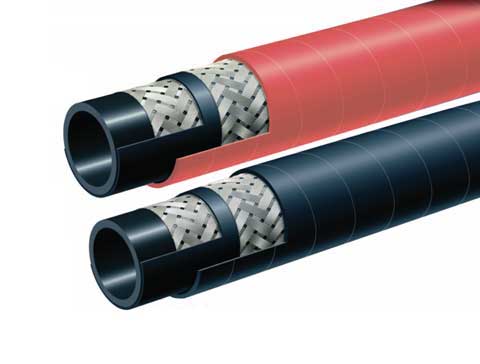
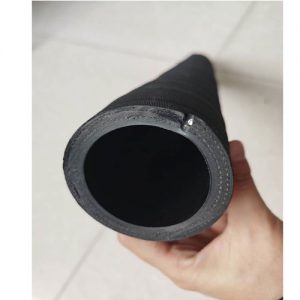
Large diameter hydraulic oil pipe with an inner diameter of 2 inches, specifically designed for low-pressure and high flow return oil pipelines
release date:2026-08-12 09:47:55
reading volume:
share:
In hydraulic systems, the smoothness of the return oil pipeline directly affects the system's back pressure and heat dissipation efficiency - poor return oil can lead to abnormal pressure rise in the system, premature aging of seals, and even cause the hydraulic pump to empty in severe cases. A large-diameter hydraulic oil pipe with an inner diameter of 2 inches (approximately 50.8mm) is a professional solution for high flow return oil conditions. It is designed with low pressure and high flow rate to achieve rapid oil reflux, reinforced with fiber weaving/spiral steel wire structure to ensure the stability of the pipe body under negative pressure oil suction conditions, and adapted to the oil return pipeline requirements of various construction machinery with oil resistant and weather resistant rubber materials.
 1、 The engineering logic of low pressure and high flow: why does the return oil pipeline need a large diameter
The flow rate of the return oil pipeline in hydraulic systems is usually strictly limited within a certain range. According to industry design standards, the flow rate of the return oil pipeline is allowed to be much lower than that of the pressure pipeline - this is not a conservative design, but is determined by the particularity of the return oil working condition: the pressure on the return oil side is relatively low (usually only 0.5-1.0 MPa), and if the flow rate is too high, the resistance along the way will significantly increase, resulting in an increase in system back pressure and affecting the suction efficiency of the hydraulic pump and the accuracy of the actuator action.
The relationship between diameter and flow rate follows the principle of pipeline transportation: under the same flow rate, the larger the diameter, the lower the flow rate, and the smaller the pressure loss. For high flow hydraulic systems, if a 1-inch return pipe is used, the flow rate may approach or exceed the specified upper limit, which not only increases pressure loss but also may cause impact and noise due to high-speed return oil. The flow cross-section of a 2-inch inner diameter pipe is four times that of a 1-inch pipe, which can reduce the flow rate to 25% at the same flow rate and maintain the return oil back pressure within a reasonable range.
The material selection of hydraulic oil pipes also has a direct impact on the performance of the return oil pipeline. Rubber hoses are often used for connecting parts with relative motion due to their flexibility, vibration absorption, and noise reduction properties. The large-diameter design further amplifies the flexibility advantage in the return oil pipeline - even if the pipeline route is complex, the hose can still be smoothly connected, avoiding local resistance caused by excessive rigid bends.
2、 Structure and Material: Core Adaptation of Low Pressure Return Oil Pipeline
The design logic of 2-inch large-diameter hydraulic oil pipes differs fundamentally from high-pressure pipelines. The pressure of the return oil pipeline is relatively low, and the ultimate pressure requirement for the reinforcement layer is not high (usually working pressure 0.5-1.0MPa), but it puts forward unique requirements for the anti negative pressure ability and long-term oil aging resistance of the pipe body.
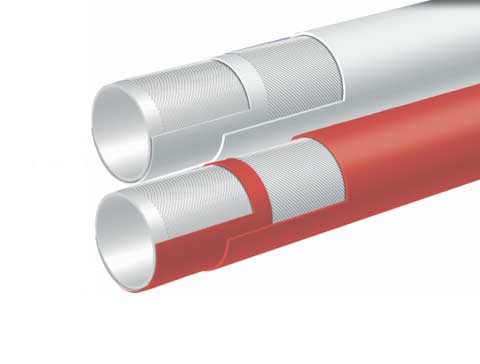
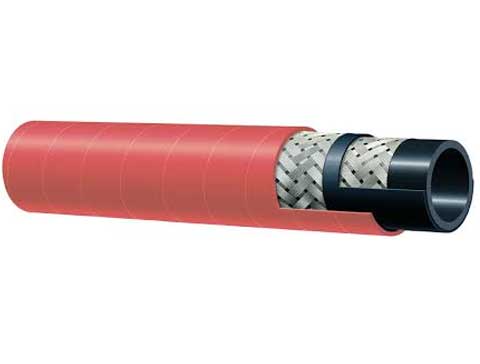
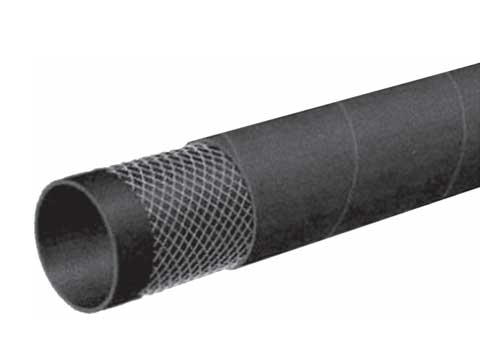
The anti negative pressure design of the reinforcement layer is the key difference between the return hose and the conventional pressure oil pipe. At the moment of starting or reversing the hydraulic system, the return oil pipeline may generate instantaneous negative pressure - if the structural strength of the pipe wall is insufficient, the pipe will be "sucked flat" and the oil circuit will be blocked. The SAE 100R4 standard hose is equipped with one or two layers of woven fibers and a layer of spiral steel wire in the reinforcement layer to solve this problem: the spiral steel wire provides continuous radial support for the pipe body, and can maintain a circular cross-section even under negative pressure conditions, ensuring that the oil return channel is always unobstructed.
The oil and weather resistance of the rubber material is the foundation for the long-term reliable operation of the oil return hose. The oil temperature in the return line is usually high (up to 80-100 ℃) and contains wear particles and oxidation products. The inner rubber layer is made of oil resistant synthetic rubber, which does not swell or harden in the environment of long-term contact with hot hydraulic oil; The outer adhesive layer needs to resist on-site oil stains, sun exposure, and mechanical scratches to avoid exposing the reinforcement layer due to surface aging and cracking. Some products have a working temperature range of -40 ℃ to+100 ℃, which can adapt to complex working conditions where cold and high temperatures alternate.
3、 Key points for installation adaptation and selection
When installing and laying 2-inch large-diameter hydraulic oil pipes, the following points should be noted:
Bending radius and reserved pipe layout. The flexibility of large-diameter hoses is lower than that of small-diameter specifications, and during installation, it should be ensured that the bending radius is not less than the specified minimum value. Referring to the technical parameters of similar products, the minimum bending radius of a 2-inch return hose is usually required to be around 360mm. Before installation, the pipeline route should be planned in advance to avoid sharp bends that may cause collapse of the pipe wall or damage to the reinforcement layer. A large radius transition should be used at the bend to minimize local resistance as much as possible.
Matching and connection method of connectors. The return oil pipeline usually adopts flange or threaded connection. The 2-inch specification requires corresponding diameter connectors to ensure that the sealing surface matches the pipeline interface. At low pressure levels, clamp type connections can also provide reliable sealing and facilitate quick disassembly and maintenance.
Key points of maintenance and inspection. Although the return hose can withstand low pressure, its degree of aging directly affects the cleanliness of the system. Regularly inspect the outer adhesive layer for cracks and bulges; For structures reinforced with spiral steel wires, it is necessary to confirm that the end steel wires are not corroded or exposed. If the outer adhesive layer is worn to expose the reinforcement layer, or if there is local expansion deformation of the pipe body, it should be replaced in a timely manner.
In summary, the large-diameter hydraulic oil pipe with an inner diameter of 2 inches perfectly meets the requirements of engineering machinery and industrial hydraulic systems for "smooth, low pressure loss, and high flexibility" of high flow return pipelines with its three core technologies: low-pressure and high flow rate adaptation, fiber/spiral steel wire composite reinforced anti negative pressure structure, and long-term reliability of oil resistant and weather resistant rubber material. From the structural design of SAE 100R4 standard to the wide temperature range adaptation from -40 ℃ to 100 ℃, from the 360mm bending radius to the quick flange connection, every technical detail points to the same goal: to provide a smooth, reliable, and durable "return artery" for high flow hydraulic systems.
1、 The engineering logic of low pressure and high flow: why does the return oil pipeline need a large diameter
The flow rate of the return oil pipeline in hydraulic systems is usually strictly limited within a certain range. According to industry design standards, the flow rate of the return oil pipeline is allowed to be much lower than that of the pressure pipeline - this is not a conservative design, but is determined by the particularity of the return oil working condition: the pressure on the return oil side is relatively low (usually only 0.5-1.0 MPa), and if the flow rate is too high, the resistance along the way will significantly increase, resulting in an increase in system back pressure and affecting the suction efficiency of the hydraulic pump and the accuracy of the actuator action.
The relationship between diameter and flow rate follows the principle of pipeline transportation: under the same flow rate, the larger the diameter, the lower the flow rate, and the smaller the pressure loss. For high flow hydraulic systems, if a 1-inch return pipe is used, the flow rate may approach or exceed the specified upper limit, which not only increases pressure loss but also may cause impact and noise due to high-speed return oil. The flow cross-section of a 2-inch inner diameter pipe is four times that of a 1-inch pipe, which can reduce the flow rate to 25% at the same flow rate and maintain the return oil back pressure within a reasonable range.
The material selection of hydraulic oil pipes also has a direct impact on the performance of the return oil pipeline. Rubber hoses are often used for connecting parts with relative motion due to their flexibility, vibration absorption, and noise reduction properties. The large-diameter design further amplifies the flexibility advantage in the return oil pipeline - even if the pipeline route is complex, the hose can still be smoothly connected, avoiding local resistance caused by excessive rigid bends.
2、 Structure and Material: Core Adaptation of Low Pressure Return Oil Pipeline
The design logic of 2-inch large-diameter hydraulic oil pipes differs fundamentally from high-pressure pipelines. The pressure of the return oil pipeline is relatively low, and the ultimate pressure requirement for the reinforcement layer is not high (usually working pressure 0.5-1.0MPa), but it puts forward unique requirements for the anti negative pressure ability and long-term oil aging resistance of the pipe body.
The anti negative pressure design of the reinforcement layer is the key difference between the return hose and the conventional pressure oil pipe. At the moment of starting or reversing the hydraulic system, the return oil pipeline may generate instantaneous negative pressure - if the structural strength of the pipe wall is insufficient, the pipe will be "sucked flat" and the oil circuit will be blocked. The SAE 100R4 standard hose is equipped with one or two layers of woven fibers and a layer of spiral steel wire in the reinforcement layer to solve this problem: the spiral steel wire provides continuous radial support for the pipe body, and can maintain a circular cross-section even under negative pressure conditions, ensuring that the oil return channel is always unobstructed.
The oil and weather resistance of the rubber material is the foundation for the long-term reliable operation of the oil return hose. The oil temperature in the return line is usually high (up to 80-100 ℃) and contains wear particles and oxidation products. The inner rubber layer is made of oil resistant synthetic rubber, which does not swell or harden in the environment of long-term contact with hot hydraulic oil; The outer adhesive layer needs to resist on-site oil stains, sun exposure, and mechanical scratches to avoid exposing the reinforcement layer due to surface aging and cracking. Some products have a working temperature range of -40 ℃ to+100 ℃, which can adapt to complex working conditions where cold and high temperatures alternate.
3、 Key points for installation adaptation and selection
When installing and laying 2-inch large-diameter hydraulic oil pipes, the following points should be noted:
Bending radius and reserved pipe layout. The flexibility of large-diameter hoses is lower than that of small-diameter specifications, and during installation, it should be ensured that the bending radius is not less than the specified minimum value. Referring to the technical parameters of similar products, the minimum bending radius of a 2-inch return hose is usually required to be around 360mm. Before installation, the pipeline route should be planned in advance to avoid sharp bends that may cause collapse of the pipe wall or damage to the reinforcement layer. A large radius transition should be used at the bend to minimize local resistance as much as possible.
Matching and connection method of connectors. The return oil pipeline usually adopts flange or threaded connection. The 2-inch specification requires corresponding diameter connectors to ensure that the sealing surface matches the pipeline interface. At low pressure levels, clamp type connections can also provide reliable sealing and facilitate quick disassembly and maintenance.
Key points of maintenance and inspection. Although the return hose can withstand low pressure, its degree of aging directly affects the cleanliness of the system. Regularly inspect the outer adhesive layer for cracks and bulges; For structures reinforced with spiral steel wires, it is necessary to confirm that the end steel wires are not corroded or exposed. If the outer adhesive layer is worn to expose the reinforcement layer, or if there is local expansion deformation of the pipe body, it should be replaced in a timely manner.
In summary, the large-diameter hydraulic oil pipe with an inner diameter of 2 inches perfectly meets the requirements of engineering machinery and industrial hydraulic systems for "smooth, low pressure loss, and high flexibility" of high flow return pipelines with its three core technologies: low-pressure and high flow rate adaptation, fiber/spiral steel wire composite reinforced anti negative pressure structure, and long-term reliability of oil resistant and weather resistant rubber material. From the structural design of SAE 100R4 standard to the wide temperature range adaptation from -40 ℃ to 100 ℃, from the 360mm bending radius to the quick flange connection, every technical detail points to the same goal: to provide a smooth, reliable, and durable "return artery" for high flow hydraulic systems.
Previous: