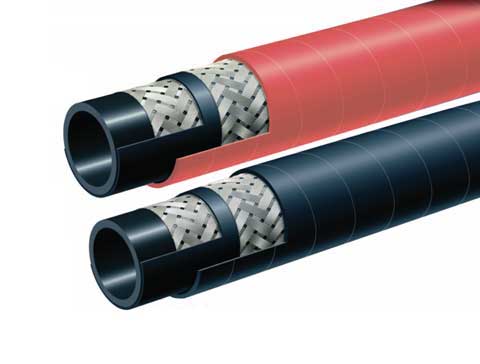
API 17K conveying flexible hose with inner diameter of 2-14 inches, resistant to -30 ℃ low temperature FSRU ship specific
release date:2026-08-07 15:36:38
reading volume:
share:
In the clean energy supply chain of liquefied natural gas (LNG), floating storage and regasification units (FSRUs) play a key hub role in connecting maritime transportation and land pipelines. The transportation of natural gas from FSRU to docks, fixed platforms, or underwater manifolds requires a flexible channel that can maintain absolute sealing and structural integrity in dynamic sea conditions. Traditional low-temperature rigid pipes are prone to failure due to stress concentration when ships rise, sink, and sway with waves. The API 17K flexible hose is the authoritative solution for this condition - covering the entire scene of LNG transmission and evaporation gas return with a 2-14 inch wide diameter, ensuring elastic sealing under extreme cold conditions with a -30 ℃ low-temperature resistant design, and bonding multi-layer composite structures to carry the dual tests of FSRU dynamic displacement and high-pressure transportation. It has become an indispensable "flexible artery" in the offshore LNG value chain.
1、 2-14 inch caliber system: FSRU full scene flow adaptation
The LNG transmission operation of FSRU involves two parallel processes: liquid-phase transportation and vapor return, which require differentiated size requirements for the inner diameter of the hose. The standard diameter of API 17K natural gas transmission hoses covers the complete range of 2 inches to 14 inches, and the maximum usable length varies depending on the diameter - up to 60 meters for sizes 8 inches and below, and up to 30 meters for sizes 14 inches. This length design takes into account the surplus requirements of the hose suspension curve and the limitations of deck storage space when ships berth side by side.
 The caliber selection directly corresponds to the transmission traffic requirements. According to data from low-temperature hose technology, the liquid transport capacity of an 8-inch diameter single tube can reach over 1000 cubic meters per hour, while a 10 inch diameter has become a standard configuration for newly built FSRUs, with a single tube capacity increased to 2000 cubic meters per hour. By collecting the flow of multiple hoses through Y-shaped diversion pipes, FSRU can achieve an LNG delivery rate of over 6000 cubic meters per hour, ensuring the minimization of LNG ship's stay time at the port.
The drilling type of "full flow, rough bore" for the hose, combined with the H-S hydrogenated nitrile rubber (HNBR) lining on the inner wall, not only ensures low flow resistance when LNG flows at high speed, but also provides a chemical barrier for the pipe wall to resist corrosive media. According to the pressure bearing requirements of different calibers, Continental Group's product line can provide a design pressure of up to 7500psi (approximately 517bar), and the actual rated working pressure can be flexibly adjusted between 1250psi and 5000psi depending on the caliber and application scenario.
2、 Low temperature resistant design at -30 ℃: wide temperature range stability of adhesive structure
The storage and transportation temperature of LNG is usually as low as -162 ℃, but FSRU hoses transport natural gas after re gasification, with a working temperature range of -30 ℃ to+90 ℃. The delineation of this temperature range not only covers the low temperature environment of polar sea decks in winter and the possible cold shock during LNG refueling, but also reserves sufficient margin for temperature rise during natural gas transportation.
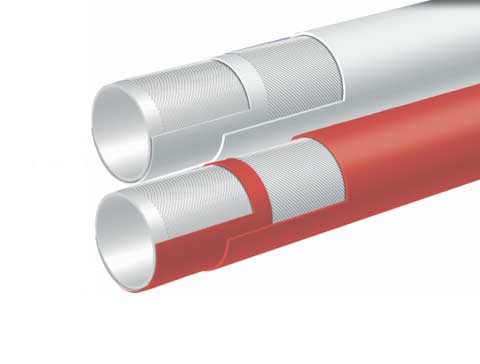
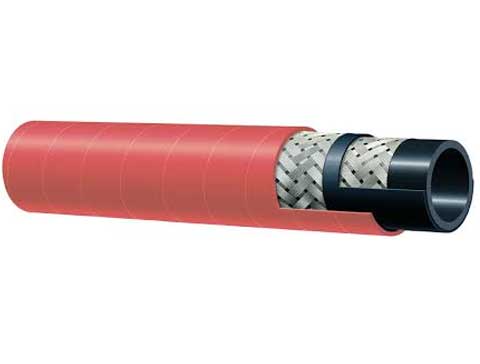
The core of the excellent elasticity of API 17K adhesive hose at -30 ℃ lies in its integrated vulcanization process: the inner liner, reinforcement layer, and outer adhesive layer are chemically cross-linked and bonded into a single "flexible pressure vessel". This is completely different from the structure where the layers of non bonded hoses can slide relative to each other - at a low temperature of -30 ℃, the interlayer friction of non bonded structures will sharply increase, accelerating wear and fatigue failure; The adhesive structure avoids stress concentration by uniformly transmitting stress between layers, ensuring the fatigue resistance of the hose over a wide temperature range.
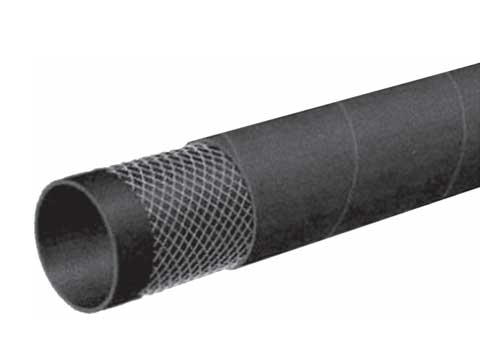
The inner lining layer uses H ₂ S hydrogenated nitrile rubber (HNBR) as a fluid barrier. HNBR saturates the molecular chains through hydrogenation treatment, and can maintain the mobility of molecular segments at low temperatures of -30 ℃ without entering the brittle glass state; At the same time, it significantly enhances the corrosion resistance to acidic media (such as CO ₂, H ₂ S) that may be carried in natural gas. The reinforcement layer adopts an alternating composite structure of high-strength ultra flexible copper plated steel wire and polyester fiber weaving. The thermal expansion coefficient of the steel wire is precisely matched with the rubber substrate to ensure that no destructive thermal stress is generated between the layers when the temperature difference changes from -30 ℃ to+90 ℃. The outer rubber layer is made of wear-resistant and weather resistant synthetic rubber, and can be equipped with a stainless steel armor layer to provide additional mechanical protection for the hose in deck dragging and marine salt spray environments.
3、 FSRU specific integration: from fire resistance certification to bending protection
The API 17K conveying flexible hose integrates multiple specialized safety designs for FSRU scenarios. The fire rating of 704 ℃ for 30 minutes is one of the most representative safety certifications - the entire hose assembly meets the fire protection requirements of Lloyd's Register OD 1000/499 and API 16C, and can maintain structural integrity for 30 minutes in a fire, saving valuable time for emergency shutdown.
The built-in bending reinforcement is a key mechanical design in the neck area. The suspension section of the hose between the FSRU hull and the dock or LNG ship needs to withstand repeated bending deformation caused by waves. The curved reinforcement device implanted in the neck area can effectively prevent damage to the reinforcement layer caused by excessive bending, ensuring the anti fatigue life of the hose during long-term dynamic service.
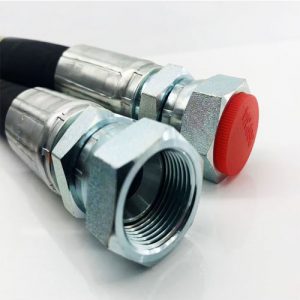
The patented gas emission technology solves the problem of gas permeation in adhesive structures. Small molecule gases in natural gas can slowly penetrate through the inner lining layer and enter the interlayer of the pipe wall. If not discharged in time, long-term accumulation may lead to an increase in interlayer pressure and structural failure. This technology provides directional discharge channels for permeable gases, ensuring the long-term integrity of the pipe wall structure. The material of the end joint is strictly selected according to the NACE MR 0175/ISO 15156 sulfide resistant standard - carbon steel or duplex stainless steel material ensures that sulfide stress cracking does not occur in acidic media environments containing H ₂ S; The internal core can be made of 316L or 254SMO super austenitic stainless steel to adapt to different corrosion levels of seawater and medium environments.
In summary, the API 17K FSRU flexible hose with an inner diameter of 2-14 inches perfectly meets the strict requirements of floating LNG receiving and regasification systems for "high flow transmission, reliable extreme cold environment, and fire safety redundancy" with its wide diameter coverage flow adaptation system, wide temperature range stability of -30 ℃ low temperature resistance and adhesive structure, and system integration of 704 ℃ × 30 minute fire prevention and patented gas emission. From the LNG delivery rate of 1000 cubic meters per hour with an 8-inch hose to the upgraded 2000 cubic meters with a 10 inch standard configuration, from maintaining elasticity in extreme cold at -30 ℃ to holding on for 30 minutes in a 704 ℃ fire scene, every caliber selection and design detail points to the same goal: to provide flexible guarantees that can withstand wind and waves, extreme cold, and fire hazards for the efficient and safe transmission of natural gas at the offshore nodes of the global LNG clean energy supply chain.
The caliber selection directly corresponds to the transmission traffic requirements. According to data from low-temperature hose technology, the liquid transport capacity of an 8-inch diameter single tube can reach over 1000 cubic meters per hour, while a 10 inch diameter has become a standard configuration for newly built FSRUs, with a single tube capacity increased to 2000 cubic meters per hour. By collecting the flow of multiple hoses through Y-shaped diversion pipes, FSRU can achieve an LNG delivery rate of over 6000 cubic meters per hour, ensuring the minimization of LNG ship's stay time at the port.
The drilling type of "full flow, rough bore" for the hose, combined with the H-S hydrogenated nitrile rubber (HNBR) lining on the inner wall, not only ensures low flow resistance when LNG flows at high speed, but also provides a chemical barrier for the pipe wall to resist corrosive media. According to the pressure bearing requirements of different calibers, Continental Group's product line can provide a design pressure of up to 7500psi (approximately 517bar), and the actual rated working pressure can be flexibly adjusted between 1250psi and 5000psi depending on the caliber and application scenario.
2、 Low temperature resistant design at -30 ℃: wide temperature range stability of adhesive structure
The storage and transportation temperature of LNG is usually as low as -162 ℃, but FSRU hoses transport natural gas after re gasification, with a working temperature range of -30 ℃ to+90 ℃. The delineation of this temperature range not only covers the low temperature environment of polar sea decks in winter and the possible cold shock during LNG refueling, but also reserves sufficient margin for temperature rise during natural gas transportation.
The core of the excellent elasticity of API 17K adhesive hose at -30 ℃ lies in its integrated vulcanization process: the inner liner, reinforcement layer, and outer adhesive layer are chemically cross-linked and bonded into a single "flexible pressure vessel". This is completely different from the structure where the layers of non bonded hoses can slide relative to each other - at a low temperature of -30 ℃, the interlayer friction of non bonded structures will sharply increase, accelerating wear and fatigue failure; The adhesive structure avoids stress concentration by uniformly transmitting stress between layers, ensuring the fatigue resistance of the hose over a wide temperature range.
The inner lining layer uses H ₂ S hydrogenated nitrile rubber (HNBR) as a fluid barrier. HNBR saturates the molecular chains through hydrogenation treatment, and can maintain the mobility of molecular segments at low temperatures of -30 ℃ without entering the brittle glass state; At the same time, it significantly enhances the corrosion resistance to acidic media (such as CO ₂, H ₂ S) that may be carried in natural gas. The reinforcement layer adopts an alternating composite structure of high-strength ultra flexible copper plated steel wire and polyester fiber weaving. The thermal expansion coefficient of the steel wire is precisely matched with the rubber substrate to ensure that no destructive thermal stress is generated between the layers when the temperature difference changes from -30 ℃ to+90 ℃. The outer rubber layer is made of wear-resistant and weather resistant synthetic rubber, and can be equipped with a stainless steel armor layer to provide additional mechanical protection for the hose in deck dragging and marine salt spray environments.
3、 FSRU specific integration: from fire resistance certification to bending protection
The API 17K conveying flexible hose integrates multiple specialized safety designs for FSRU scenarios. The fire rating of 704 ℃ for 30 minutes is one of the most representative safety certifications - the entire hose assembly meets the fire protection requirements of Lloyd's Register OD 1000/499 and API 16C, and can maintain structural integrity for 30 minutes in a fire, saving valuable time for emergency shutdown.
The built-in bending reinforcement is a key mechanical design in the neck area. The suspension section of the hose between the FSRU hull and the dock or LNG ship needs to withstand repeated bending deformation caused by waves. The curved reinforcement device implanted in the neck area can effectively prevent damage to the reinforcement layer caused by excessive bending, ensuring the anti fatigue life of the hose during long-term dynamic service.
The patented gas emission technology solves the problem of gas permeation in adhesive structures. Small molecule gases in natural gas can slowly penetrate through the inner lining layer and enter the interlayer of the pipe wall. If not discharged in time, long-term accumulation may lead to an increase in interlayer pressure and structural failure. This technology provides directional discharge channels for permeable gases, ensuring the long-term integrity of the pipe wall structure. The material of the end joint is strictly selected according to the NACE MR 0175/ISO 15156 sulfide resistant standard - carbon steel or duplex stainless steel material ensures that sulfide stress cracking does not occur in acidic media environments containing H ₂ S; The internal core can be made of 316L or 254SMO super austenitic stainless steel to adapt to different corrosion levels of seawater and medium environments.
In summary, the API 17K FSRU flexible hose with an inner diameter of 2-14 inches perfectly meets the strict requirements of floating LNG receiving and regasification systems for "high flow transmission, reliable extreme cold environment, and fire safety redundancy" with its wide diameter coverage flow adaptation system, wide temperature range stability of -30 ℃ low temperature resistance and adhesive structure, and system integration of 704 ℃ × 30 minute fire prevention and patented gas emission. From the LNG delivery rate of 1000 cubic meters per hour with an 8-inch hose to the upgraded 2000 cubic meters with a 10 inch standard configuration, from maintaining elasticity in extreme cold at -30 ℃ to holding on for 30 minutes in a 704 ℃ fire scene, every caliber selection and design detail points to the same goal: to provide flexible guarantees that can withstand wind and waves, extreme cold, and fire hazards for the efficient and safe transmission of natural gas at the offshore nodes of the global LNG clean energy supply chain.
Previous: