1.0 MPa Fabric-Reinforced Air Hose for Pneumatic Tools in Industrial Settings
release date:2026-11-13 09:23:30
reading volume:
share:
In manufacturing facilities, compressed air serves as the primary power source for pneumatic tools such as impact wrenches, spray guns, and pneumatic nut runners. Air hoses, which connect air compressors to these end-use tools, must operate continuously at a rated pressure of 1.0 MPa while enduring harsh conditions—including mechanical abrasion from dragging, exposure to oil splashes, and temperature fluctuations within the workshop. Standard low-pressure air hoses often lack sufficient pressure-bearing margins and possess poor external wear resistance; they frequently suffer from premature outer-layer wear, localized bulging, or catastrophic bursts. Such failures not only compromise the performance of pneumatic tools but also pose serious safety risks, as high-pressure air jets can cause severe personal injury. Designed specifically for industrial pneumatic systems, this 1.0 MPa fabric-reinforced air hose utilizes an optimized reinforcement structure and materials tailored to factory environments, ensuring stable, safe, and long-term operation at 1.0 MPa.
 Optimized Fabric-Reinforced Structure for Reliable 1.0 MPa Pressure Handling
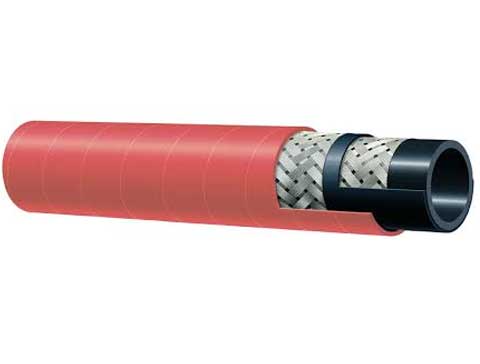
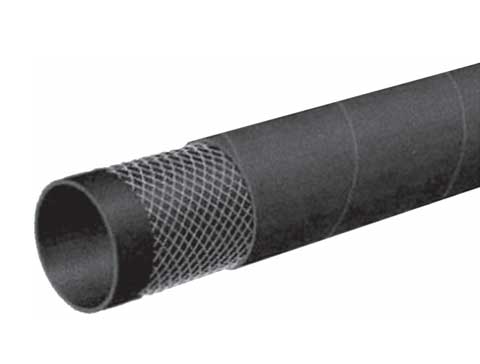
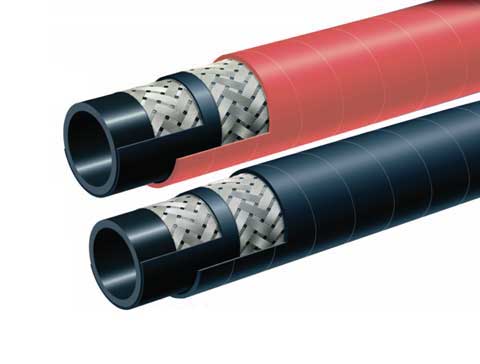
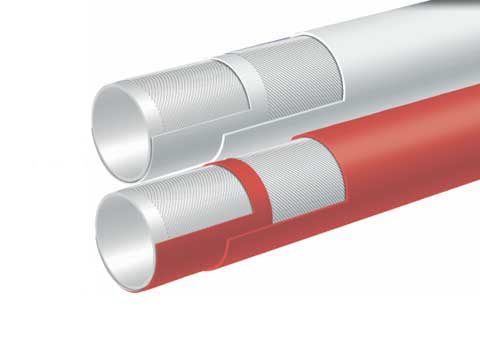
Most conventional industrial air hoses rely on simple fiber-braiding structures, which typically have a pressure limit of only 0.6 MPa—leaving no adequate safety margin. Should pressure fluctuations occur within the air compressor system, these hoses can easily exceed their limits, leading to sudden, dangerous bursts. In contrast, this 1.0 MPa fabric-reinforced air hose features a multi-layer, high-strength, rubber-impregnated polyester fabric reinforcement. Through precise mechanical design, the structure ensures that stress is distributed uniformly across the entire hose wall, eliminating any localized weak points.
The winding angles of each fabric layer are calculated using fluid dynamics simulations and arranged in a balanced, crisscross pattern. This configuration allows the various layers to work in synergy, evenly distributing the internal stress generated at the 1.0 MPa rated operating pressure and preventing any single layer from becoming overloaded. The winding tension for each layer of fabric reinforcement is precisely calibrated throughout the process using CNC winding equipment, keeping tension deviations to an absolute minimum. This ensures a uniform wall thickness across the entire hose, eliminating weak points caused by overlapping fabric or uneven tension. The finished hose boasts a consistent burst pressure exceeding 4.0 MPa—four times its 1.0 MPa rated working pressure—providing a substantial safety margin. It is fully capable of withstanding transient pressure fluctuations and water hammer effects within air compressor systems, effectively preventing sudden, catastrophic hose bursts.
The surface of the fabric reinforcement is pre-treated with a specialized adhesive compound, ensuring that the fibers are thoroughly saturated and encapsulated. This not only enhances the bond strength between the fabric and the rubber layers but also completely blocks potential capillary leakage paths—where compressed air might otherwise seep through the gaps between fibers—thereby preventing the "slow air leakage" often seen in standard braided rubber hoses after prolonged pressurized use. Furthermore, the fabric-reinforced structure offers exceptional tensile resistance; when workers drag the hose to reposition pneumatic tools, the hose body remains stable, preventing excessive stretching that could otherwise constrict the internal diameter and cause a sharp spike in airflow resistance. This ensures a consistent flow of compressed air, maintaining stable power output for the pneumatic tools at the point of use. The reinforced structure has been subjected to tens of thousands of pressure-cycling tests at 1.0 MPa; the hose wall remains completely intact, showing no signs of blistering or delamination, making it perfectly suited for the long-term, continuous operation required in industrial pneumatic systems.
Materials tailored for factory operating conditions, with comprehensive upgrades in wear resistance, oil resistance, and weatherability.
Standard air hoses often utilize inexpensive reclaimed rubber in their outer layers, resulting in poor wear resistance. When dragged across factory floors, the outer layer quickly wears away, exposing the reinforcement beneath. Moreover, such hoses lack resistance to the oils and lubricants frequently found in industrial environments; contact with these substances leads to rapid swelling, aging, and cracking of the outer cover. This 1.0 MPa fabric-reinforced air hose has been engineered with materials specifically optimized for the demanding conditions of factory environments, addressing critical requirements for wear resistance, oil resistance, and airtightness.
The inner liner, which comes into direct contact with compressed air, utilizes a specialized synthetic rubber compound with exceptional airtightness. Through a refined manufacturing process, the liner achieves a high level of density, resulting in a significantly lower permeation rate compared to standard air hoses. This prevents gradual pressure loss during long-term pressurized operation, thereby reducing the energy consumption of air compressors by minimizing unnecessary idling. Furthermore, the liner is resistant to the trace oil mists often present in compressed air, as well as high-temperature airflow (60–80°C). It avoids the rapid swelling and material degradation—such as the shedding of rubber particles—commonly seen in inferior hoses, ensuring that pneumatic tools remain free from internal blockages and extending the service life of downstream pneumatic equipment.
The outer cover is constructed from a highly wear-resistant, modified rubber compound enriched with specialized carbon black and abrasion-resistant additives. Its wear rate is only one-third that of standard hoses made with reclaimed rubber, allowing it to withstand prolonged dragging across concrete factory floors without wearing through. The cover also incorporates oil-resistant components, providing excellent protection against common industrial lubricants and cutting fluids, and preventing swelling or cracking caused by long-term exposure to such substances. Additionally, the outer cover contains weather-resistant and anti-aging agents, which protect it from degradation—such as chalking or cracking—when exposed to sunlight (near windows or doors) or ozone, significantly extending the hose's lifespan in both indoor and semi-outdoor settings.
All rubber layers within the hose are bonded at the molecular level through a continuous high-temperature vulcanization process. This ensures the structural integrity of the composite, preventing delamination or blistering—even when subjected to the fluctuating temperatures typical of a factory environment. The hose’s overall flexibility has been strategically optimized, ensuring excellent bending performance across a wide temperature range—from -20°C to 70°C. It remains pliable even in cold winter conditions, preventing the hardening or embrittlement often seen in other hoses. Workers can easily bend and maneuver the hose while dragging it across the floor, avoiding the snagging or resistance typical of stiffer alternatives, which significantly enhances ease of use on the shop floor.
Comprehensive coverage for factory environments: driving cost efficiency and operational safety throughout the pneumatic system’s lifecycle.
In manufacturing facilities, the frequent replacement of standard air hoses—along with the associated procurement costs, production downtime, and safety risks—has long been a major pain point for users. This 1.0 MPa fabric-reinforced air hose offers a service life and level of safety far superior to conventional low-pressure hoses, delivering comprehensive cost savings and efficiency gains over its entire lifecycle.
In automotive component manufacturing, where pneumatic wrenches and impact tools are used, standard air hoses often fail within 3 to 6 months due to wear from dragging or an inability to withstand pressure. Such failures not only incur high replacement costs but also cause unplanned production line stoppages and pose safety risks, such as high-pressure air blasts that could injure personnel. By switching to this 1.0 MPa fabric-reinforced air hose, the service life can be extended to over three years. This drastically reduces the frequency of replacements, effectively eliminating production losses and safety hazards caused by unexpected downtime. In furniture manufacturing, where workers frequently drag hoses while using pneumatic spray guns or nail guns, the hose’s highly wear-resistant outer layer ensures durability under constant movement, preventing premature abrasion and guaranteeing the continuous, stable operation of spraying and fastening tasks.
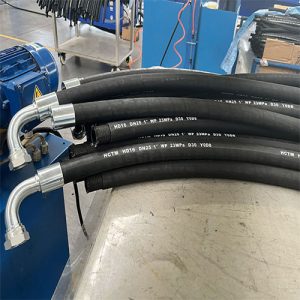
In heavy machinery maintenance workshops—environments often characterized by oil spills and metal debris—the hose’s oil-resistant, highly durable outer layer withstands harsh conditions, significantly extending the interval between replacements. The hose assemblies can be customized to meet specific operational requirements, with options for various bore sizes, lengths, and end-fitting configurations. Smaller bore sizes are ideal for low-flow applications, such as pneumatic nailers or spray guns, while larger bore sizes accommodate the high-volume compressed air demands of heavy-duty impact wrenches and high-power pneumatic tools, ensuring sufficient power output at the point of use. The hoses can be pre-fitted with various types of quick-connect pneumatic couplings, allowing for immediate connection to air compressors and tools upon delivery—eliminating the need for on-site assembly and significantly reducing installation labor.
During routine maintenance, the condition of the hose can be quickly assessed through simple visual inspection: checking for visible wear (such as exposed fabric reinforcement), localized bulges, cracks, or signs of aging. This straightforward approach eliminates the need for complex diagnostic procedures, greatly simplifying the management and maintenance of a facility’s pneumatic piping infrastructure. For manufacturing plants, adopting these 1.0 MPa fabric-reinforced pneumatic air hoses not only lowers annual procurement costs but also effectively prevents the safety hazards and production downtime associated with sudden hose bursts—ensuring a highly reliable supply of compressed air for the stable operation of all pneumatic tools.