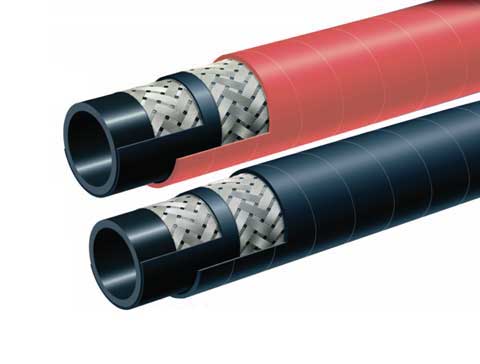
Wire-wound hydraulic hose for construction machinery, designed for low-temperature resistance (-40°C) and weather resistance
release date:2026-11-09 09:42:20
reading volume:
share:
At outdoor construction sites in the frigid northern regions of my country, heavy machinery often operates continuously in temperatures as low as -30°C to -40°C. In such extreme cold, standard hydraulic hoses quickly become rigid and brittle; even minor bending or a slight impact can cause the hose wall to crack, leading to high-pressure hydraulic fluid leaks. This not only results in unexpected equipment downtime but can also trigger serious safety accidents. Our steel-wire-reinforced hydraulic hoses—specifically engineered for heavy machinery in extreme cold—have been optimized across the board, from rubber compound formulations and reinforcement structures to overall design. They effectively resolve the issue of brittle failure common in standard hoses, providing highly reliable hydraulic power transmission for machinery operating in freezing winter conditions.
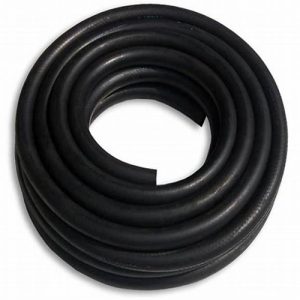 A specialized, low-temperature-flexible rubber system that prevents brittle failure at -40°C.
When temperatures drop below zero, the molecular chains in the rubber of standard hydraulic hoses become "frozen." The material transitions rapidly from a highly elastic state to a glassy state—becoming stiff and brittle. By the time temperatures reach around -20°C, these hoses are so rigid that even a minor external impact can cause cracks, making them entirely unsuitable for winter operations in the frigid north. This cold-resistant hydraulic hose utilizes a specially modified rubber system, ensuring a glass transition temperature well below -40°C. This allows the material to retain excellent elasticity and impact toughness, even in extreme cold.
The inner rubber layer features a specialized, oil-resistant compound modified for low-temperature performance. By adjusting the branching structure and cross-link density of the molecular chains, we have significantly reduced the tendency for these chains to freeze at low temperatures. As a result, the hose maintains sufficient elasticity even at -40°C, avoiding the hardening and embrittlement typically seen in standard nitrile rubber. Even after being left stationary for long periods in extreme cold, the inner rubber layer remains free of cracks when the hose is bent under pressure during equipment startup. It retains excellent resistance to mineral-based hydraulic fluids; long-term exposure to high-pressure hydraulic oil causes neither swelling nor a degradation in sealing performance, effectively eliminating the risk of high-pressure oil seepage—a common issue when inner rubber layers become brittle and crack at low temperatures.
The outer rubber layer utilizes a specialized, modified compound engineered for both low-temperature resilience and weather resistance. It maintains high flexibility even at -40°C, preventing the surface cracking or flaking often seen in standard rubber covers when subjected to minor impacts in cold conditions. Furthermore, the outer layer features significantly enhanced resistance to ozone and ultraviolet (UV) radiation. Even when exposed for extended periods to the harsh conditions of cold-climate winters—characterized by intense UV exposure and wide temperature fluctuations—the cover remains free from rapid cracking, chalking, or delamination, providing comprehensive protection for the internal steel-wire reinforcement. The entire rubber compound system has been validated through cold-bend impact testing at -40°C; when bent to its specified minimum bend radius, the hose shows no cracking on either the inner or outer surfaces, fully meeting the low-temperature performance requirements for extreme cold-weather operations.
Reinforced steel-wire spiral structure with stable mechanical properties across a wide temperature range
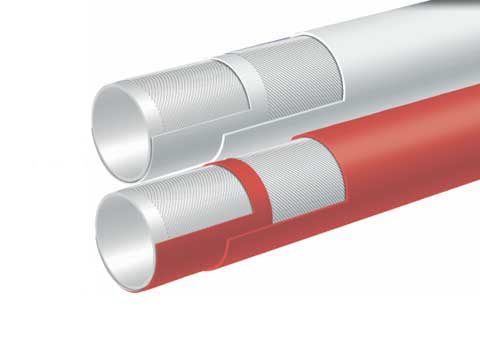
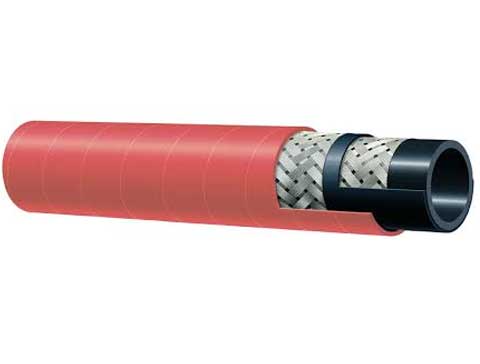
Modifying the rubber compounds alone is insufficient to meet the complex mechanical demands placed on construction machinery in extreme cold. If the internal steel-wire reinforcement were to lose its toughness or become brittle and fracture at low temperatures, the hose would fail to provide long-term, reliable service. The steel-wire spiral reinforcement in this specialized hydraulic hose has undergone targeted strengthening and toughening treatments specifically for low-temperature environments, ensuring it maintains complete mechanical stability even at an extreme temperature of -40°C. The reinforcement structure utilizes high-toughness steel wire specifically engineered for hydraulic applications, which has undergone a low-temperature toughening treatment. Unlike standard carbon steel wire—which is prone to brittle fracture in cold conditions—this specialized wire exhibits significantly enhanced low-temperature impact toughness. It maintains exceptional tensile and flexural strength even at -40°C, ensuring that its toughness does not plummet as temperatures drop. Through a high-precision CNC winding process, multiple layers of steel wire are arranged in a bi-directional, balanced-angle configuration. The winding tension for each layer is precisely calibrated to ensure uniform load distribution across the entire reinforcement structure. This prevents localized stress concentrations that could otherwise lead to brittle wire fractures when the hose is subjected to high system pressures and repetitive impulse shocks in extreme cold.
The intermediate rubber layers separating the steel wire plies also feature a specially modified, low-temperature-resistant rubber compound. This material retains sufficient elasticity and adhesive strength at -40°C, preventing the hardening, embrittlement, and loss of interlayer adhesion commonly seen in standard rubber compounds. During repeated flexing of the hose, these intermediate layers effectively absorb minor deformation differentials between the steel wire plies, preventing direct contact and frictional wear between the wires. Consequently, the reinforcement structure remains intact even after tens of thousands of pressure impulse cycles in sub-zero environments. The entire wound reinforcement structure has undergone rigorous thermal cycling tests—alternating repeatedly between -40°C and 100°C—with no significant degradation in pressure-bearing capacity or impulse resistance. This ensures the hose is fully capable of meeting the demands of continuous operation for construction machinery in cold regions, where large diurnal temperature fluctuations are common.
Designed for construction machinery across all operating conditions, this solution drives cost reduction and efficiency gains throughout the entire lifecycle of equipment in cold regions. For construction machinery operating in the extreme cold of northern regions, the frequent brittle failure and subsequent replacement of hydraulic hoses have long been a major pain point. This not only necessitates significant additional expenditure on spare parts but also leads to costly operational downtime whenever a hose bursts unexpectedly at a remote job site. This -40°C low-temperature resistant and weather-durable hydraulic hose ensures the stable operation of construction machinery in cold regions throughout its entire lifecycle, significantly reducing overall operation and maintenance costs in extreme cold conditions.
In outdoor mining sites or infrastructure projects during northern winters, construction machinery is often left exposed to temperatures as low as -30°C to -40°C. When starting the equipment the next day, there is no need for the pre-heating or softening of hydraulic lines—a step typically required when using standard hoses. Operators can start the equipment and begin pressurized operations immediately, greatly enhancing startup efficiency and eliminating the time and energy costs associated with pre-heating. During operation, as booms and buckets move, the hose undergoes repeated bending in sub-zero temperatures without the risk of the wall becoming brittle or cracking. This effectively prevents the sudden hose bursts—common with standard hoses in the cold—that would otherwise lead to equipment downtime and significant hydraulic fluid leakage.
The accompanying fittings are crafted from high-strength alloy that has undergone low-temperature passivation, ensuring they do not suffer from the brittle fractures common in standard carbon-steel fittings under extreme cold. The crimped connection between the fitting and the hose remains stable at -40°C, eliminating the risk of the hose detaching from the fitting—a failure that could otherwise result in high-pressure fluid spray. Before leaving the factory, every hose assembly undergoes pressure-retention testing and impulse verification at -40°C, guaranteeing that every unit delivered is fully qualified for use in extreme cold environments.
For construction firms operating in cold regions, adopting this -40°C low-temperature resistant, weather-durable hydraulic hose offers significant advantages. It reduces the frequency of hose replacements and cuts down on spare-part procurement costs. More importantly, it eliminates the risk of sudden hose failure and the resulting prolonged downtime, ensuring that winter construction schedules remain on track regardless of the cold. Furthermore, there is no need to invest in extensive heat-tracing or insulation systems to prevent the hoses from freezing or cracking; simple, periodic inspections of the outer layer for wear are sufficient to ensure long-term, stable performance even in the harshest, coldest conditions. As construction projects in the cold northern regions become a routine occurrence during the winter, specialized hydraulic hoses—purpose-engineered for low-temperature conditions—are progressively replacing standard hydraulic hoses, establishing a highly reliable line of defense for hydraulic power transmission in construction machinery operating in extreme cold.