Self-lubricating, low-resistance UPE wear-resistant hose designed for slag transport
release date:2026-11-06 09:39:01
reading volume:
share:
In the transport of slag slurries within mining and smelting operations, high-concentration, high-viscosity media have long posed a significant challenge. Conventional wear-resistant piping—characterized by high internal surface friction—not only drives up energy consumption for transport pumps but is also highly prone to the adhesion and scaling of slag particles, leading to frequent blockages. The resulting need for constant cleaning and clearing operations inflates maintenance costs and causes frequent, unplanned production line downtime. Engineered specifically for slag transport, these UPE (Ultra-High Molecular Weight Polyethylene) wear-resistant hoses leverage the material’s inherent self-lubricating properties. Combined with an optimized composite structure, they deliver exceptional wear resistance while drastically reducing flow resistance, serving as a critical, energy-saving component for the efficient transport of slag slurries.
 The inherent self-lubricating nature of UPE addresses flow resistance at the source.
Standard wear-resistant rubber or metal pipes exhibit high internal friction coefficients. As high-concentration slag slurries flow through them, the pipe walls exert significant drag, which not only increases the workload on transport pumps but also encourages fine slag particles to adhere to and accumulate on the inner surfaces. Over time, this forms a hard, scaling layer that narrows the flow cross-section, eventually resulting in a complete blockage. The UPE lining of these specialized hoses utilizes the material’s unique molecular structure to provide natural, self-lubricating, and low-resistance characteristics—effectively resolving the industry-wide pain point of high flow resistance.
The exceptionally long molecular chains of the UPE create a low-friction interface on the inner surface, mimicking the effect of liquid lubrication. This surface is far smoother than that of conventional wear-resistant rubber or steel piping, with a friction coefficient only about one-fifth that of standard rubber. As high-concentration slag slurries flow rapidly through the hose, the shear force between the particles and the inner wall is significantly reduced, virtually eliminating the adhesion and drag that would otherwise occur. Field tests under actual operating conditions demonstrate that this UPE-lined wear-resistant hose—when compared to standard wear-resistant rubber hoses—reduces flow resistance for slag slurries by more than 40%. Under identical flow rate requirements, the operating current of the transfer pump decreases significantly, leading to substantial energy savings over long-term operation.
This inherent self-lubricating property is not achieved through applied coatings or lubricants; rather, it is an intrinsic characteristic of the UPE material itself. Consequently, the lubricating performance does not degrade due to wear over time. Even as the inner lining is eroded by slag particles, the newly exposed UPE surface retains its original low-friction properties. This stands in stark contrast to coated pipes, where the wear-through of a coating causes flow resistance to spike to the levels seen in conventional, uncoated piping. Furthermore, the material’s extremely low surface energy prevents fine slag particles from adhering to or depositing on the pipe walls. This effectively eliminates the common issue of "clogging after prolonged use" frequently encountered with standard slag-handling pipelines.
Optimized for Slag-Handling: A Reinforced Structure Combining Low Resistance with High Wear Resistance
The benefits of self-lubrication and low flow resistance are achieved without compromising the hose's wear resistance or structural integrity. Specifically engineered for the extreme conditions of slag transport, this hose features comprehensive, targeted reinforcement throughout its entire structure. This design seamlessly integrates low flow resistance with exceptional wear resistance and high-pressure capacity, making it perfectly suited to withstand the continuous erosion caused by high-hardness slag particles.
The UPE inner lining has been specially thickened for slag-handling applications, providing a generous wear allowance for long-term, high-load operations. Even under the constant, abrasive impact of high-hardness metallurgical slag, the hose maintains a stable service life spanning several years—delivering a wear-life more than six times that of standard wear-resistant rubber hoses and over eight times that of conventional steel pipes. Furthermore, the exceptional chemical inertness of the UPE material allows it to withstand the acidic and alkaline corrosive components often present in slag slurries. Unlike conventional rubber linings, which become rough and cause a rapid increase in flow resistance when corroded, this UPE lining maintains its original smooth, low-resistance surface even after long-term exposure to corrosive slag slurries.
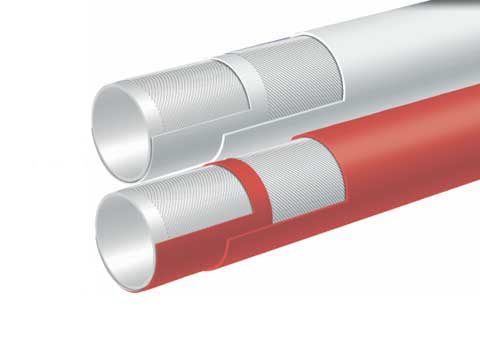
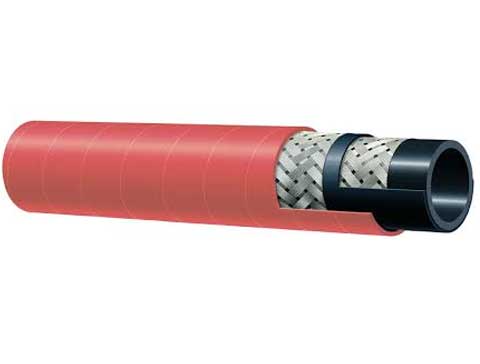
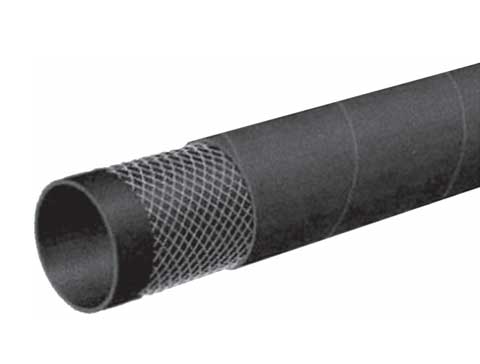
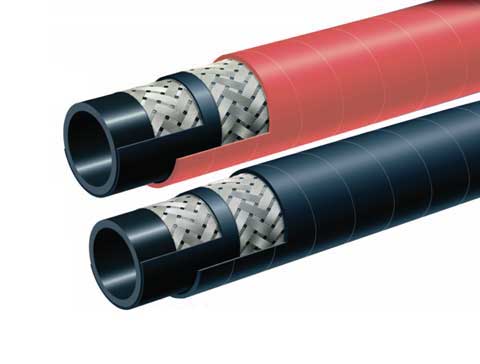
The composite structure surrounding the lining is specifically optimized for pressurized slag transport. The intermediate reinforcement layer consists of multiple layers of high-strength, flexible steel wire wound in an interlocking pattern; this design is precisely engineered to match the operating pressure range of slag transport systems and can stably absorb the pulsating shocks from slag pumps, effectively preventing issues such as wall bulging or pipe bursts. The flexible steel wire framework also provides the hose with excellent tensile strength and resistance to deformation. When laid across the complex, rugged terrain of a mine site, the hose’s inherent flexibility allows it to absorb tensile stresses caused by uneven ground settlement—unlike rigid steel pipes, which are prone to weld fractures under such conditions. The outer layer is composed of a thickened, wear-resistant rubber specifically formulated for mining applications. It withstands severe abrasion from rough, rocky ground during drag-and-lay installation and resists aging and cracking even when exposed to the elements for extended periods. This robust outer layer provides comprehensive protection for the internal self-lubricating UPE lining, preventing premature failure of the entire hose due to external damage. This composite structure has been validated through long-term, continuous operation in actual slag-handling environments; its low-resistance, energy-saving properties remain consistent over time, ensuring stable and highly efficient transport performance.
A Low-Resistance Transport System: Reducing Operational and Maintenance Costs Throughout the Entire Lifecycle
The characteristics of this self-lubricating, low-resistance, wear-resistant UPE hose are perfectly aligned with the core challenges of slag transport. By improving transport efficiency, reducing energy consumption, and lowering maintenance requirements, it delivers a significant reduction in overall costs, providing tangible, long-term economic benefits to mining and metallurgical enterprises. In long-distance, high-concentration slag transport pipelines, lower flow resistance significantly reduces pressure loss along the line. This allows for an increase in slag flow rate by over 15% without the need to replace existing transport pumps, directly boosting the slag-handling efficiency of the entire production line. For new slag transport systems, utilizing these low-resistance hoses enables the selection of pumps with lower head and power requirements, substantially lowering initial capital expenditure on equipment. Furthermore, because the pipe walls are resistant to scaling, the frequent—sometimes daily or weekly—pipe-cleaning and unclogging operations previously required are now only necessary every few months or even less often. This drastically reduces manual labor and eliminates the safety risks associated with potential high-concentration slag leakage during cleaning procedures.
The couplings designed for these slag transport applications feature a full-bore, non-reducing design. The internal surface smoothness at the connection points matches that of the UPE (Ultra-High Molecular Weight Polyethylene) liner, ensuring no localized flow restrictions. This maintains consistent low-resistance characteristics throughout the entire pipeline, preventing the accumulation of slag and the premature blockages often seen at the joints of conventional piping. Standardized quick-connect couplings allow for seamless integration with existing slag transport infrastructure; the hoses can replace conventional piping without requiring extensive system modifications, enabling rapid improvements in transport efficiency and reductions in energy consumption.
For mining and metallurgical enterprises, the primary, immediate benefit of adopting these self-lubricating, low-resistance, wear-resistant UPE hoses is a significant, long-term reduction in the energy consumed by transport pumps. Additionally, the extended wear life of the hoses leads to less frequent replacements, greatly reducing maintenance requirements—especially for pipelines located in remote areas of the facility. Most importantly, this solution resolves the persistent issue of frequent blockages when transporting high-concentration slag, preventing unplanned production line downtime and avoiding the substantial losses associated with such interruptions. During routine operation and maintenance, the system requires only periodic checks of the outer layer for wear, eliminating the need for frequent cleaning and ensuring long-term, stable performance. As the mining and smelting industry places increasing emphasis on energy conservation, consumption reduction, and operational safety, specialized hoses—which combine low flow resistance, energy efficiency, and exceptional wear resistance—are gradually replacing conventional slag-handling pipelines. These hoses provide an efficient, low-maintenance, and eco-friendly conduit for the transport of high-concentration slag slurries.
Previous: