High-toughness chemical transfer hose that remains crack-resistant in low-temperature environments
release date:2026-11-02 09:48:47
reading volume:
share:
 In environments such as chemical industrial parks in frigid northern regions, outdoor open-air transport operations during winter, or the handling of chemical materials within low-temperature cold chains, standard chemical-resistant rubber hoses often rapidly harden and become brittle. Even minor bending or impacts can cause the hose wall to crack and the contained medium to leak—a scenario that not only disrupts production lines but also risks serious safety incidents, such as the splashing of highly corrosive substances or the leakage of flammable and explosive materials. Our high-toughness, low-temperature-resistant chemical transfer hoses are engineered specifically for cold-weather conditions. Through comprehensive optimization—ranging from the molecular rubber formulation to the overall structural design—these hoses effectively eliminate the common issue of brittle failure, providing a highly reliable, flexible solution for transporting chemical media in low-temperature environments.
Modification of the flexible substrate at the molecular level to prevent brittle failure
The primary reason standard rubber materials fail in low-temperature environments is that, once the temperature drops below the glass transition point, the mobility of the rubber’s polymer chains becomes "frozen." The material shifts from a highly elastic state to a rigid, glassy state; consequently, even slight external force can cause the polymer chains to snap, leading to cracks in the hose wall. By focusing on the material formulation at the source, this low-temperature-resistant chemical hose overcomes the limitations that temperature typically imposes on rubber elasticity.
The inner liner—the core component in direct contact with the chemical medium—is crafted from a specialized synthetic rubber substrate, modified for superior low-temperature performance. By adjusting the polymerization process of the rubber polymers, we reduce the tendency for molecular chains to crystallize, significantly enhancing their mobility even in extreme cold. This ensures that the material’s glass transition temperature remains well below the minimum temperatures encountered in typical industrial cold-weather applications. Even in frigid conditions of -40°C or lower, the inner liner retains sufficient elasticity, preventing the hardening, embrittlement, and cracking upon bending that are common in conventional rubber hoses. The formulation also incorporates a specialized low-temperature-resistant plasticizer. This additive expands the material’s elastic range at low temperatures without compromising its chemical resistance. As a result, the hose not only withstands strong acids, alkalis, and common organic solvents but also maintains structural stability during long-term exposure to low-temperature environments—preventing the inner rubber layer from becoming brittle, cracking, or allowing media permeation.
Unlike some products on the market that rely on inexpensive plasticizers to achieve only short-term low-temperature flexibility, this hose’s formulation has been validated through rigorous long-term low-temperature aging tests. Even after prolonged exposure to extreme cold, the plasticizer does not migrate or leach out. The hose retains consistent flexibility over the long term, eliminating the risk of a sudden loss of toughness or unexpected brittle fracture after a period of use. This fundamentally resolves the common industry issue where "low-temperature resistant" hoses perform well initially but fail quickly.
High-Toughness Composite Design for Mechanical Stability Across the Entire Low-Temperature Range
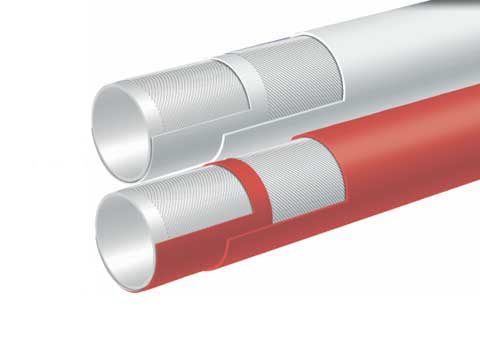
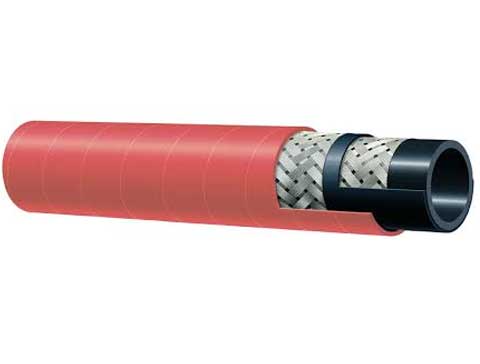
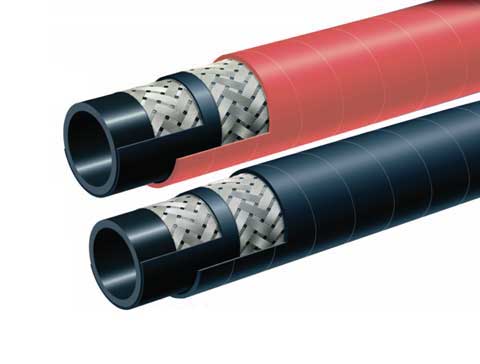
Optimizing a single rubber material is insufficient to meet the complex mechanical demands of industrial-grade low-temperature operations. This hose utilizes a high-toughness, multi-layered composite design, ensuring that its overall mechanical performance remains stable across the entire low-temperature spectrum. It avoids the sharp declines in pressure-bearing capacity and flex resistance that typically occur as temperatures drop.
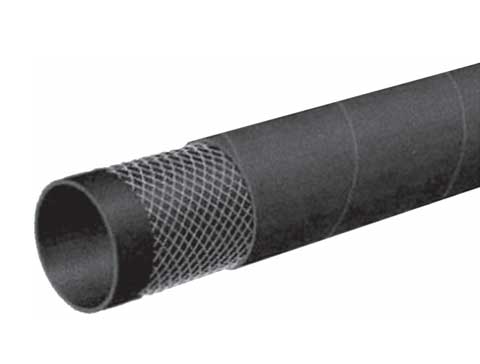
The intermediate reinforcement layer features a hybrid braided structure, combining high-toughness synthetic fibers with high-strength, flexible steel wire. Unlike standard carbon steel wires—which are prone to brittle fracture in the cold—the flexible reinforcement materials selected for this hose maintain excellent impact and tensile resistance even in extreme cold, ensuring the structural skeleton does not become brittle or break. By precisely controlling the braiding tension and density, the reinforcement layer functions as a cohesive, high-toughness unit that distributes stress evenly. This provides stable support for rated operating pressures—preventing issues like bulging or bursting—while also effectively dispersing external forces when the hose is bent or dragged, thereby avoiding localized stress concentrations that could otherwise lead to wall cracking. The outer layer is crafted from the same grade of low-temperature-resistant modified rubber as the inner layer. It remains flexible and resilient even in extreme cold, resisting hardening or embrittlement while maintaining excellent resistance to abrasion and scuffing. Unlike standard hoses, which may crack or flake when subjected to minor friction in cold outdoor environments, this hose retains its protective outer integrity. This prevents the internal reinforcement layer from being exposed to the frigid air, thereby ensuring the structural stability of the hose’s core framework. A specialized, low-temperature-resistant adhesive bonds the inner, outer, and intermediate reinforcement layers into a unified structure. This bond remains robust even after repeated thermal cycling—shifting between extreme cold and ambient temperatures—ensuring no delamination or separation occurs. The entire hose maintains a highly consistent structural integrity across its full operating temperature range.
Purpose-engineered for low-temperature environments, significantly reducing operational and maintenance costs in cold regions.
Designed specifically to address the challenges of chemical production in extreme cold, this high-toughness, low-temperature-resistant chemical transfer hose is tailored for the complex operating conditions of frigid climates, overcoming limitations that render standard hoses ineffective.
In northern outdoor chemical loading and unloading operations—such as those involving tanker trucks—the hose remains flexible enough to be bent and connected even after prolonged exposure to temperatures well below zero. It will not crack or shatter upon handling, eliminating the need to move the hose to a warmer area for thawing or softening—a common requirement for conventional hoses—thereby greatly enhancing efficiency in cold-weather operations. For fixed outdoor transfer lines in chemical industrial parks located in cold regions, the hose can be exposed directly to extreme cold without the need for costly heat-tracing or insulation systems. It withstands long-term exposure to low temperatures, wind, and snow without structural degradation, preventing the widespread embrittlement and premature failure often seen in other products. Furthermore, in chemical transfer applications within cold-storage facilities, the hose can operate reliably in consistently low-temperature, enclosed environments; it resists fatigue-induced cracking even under repeated bending, making it perfectly suited for the specialized demands of low-temperature chemical production. This hose achieves an optimal balance between low-temperature resistance and corrosion resistance, avoiding the common pitfall where a hose might perform well in the cold but fail when exposed to corrosive substances. It is capable of handling the low-temperature transport of a wide range of chemical media, including strong acids, strong bases, and conventional organic solvents. For chemical enterprises operating in cold regions, adopting this highly resilient, low-temperature-resistant chemical hose offers several key advantages: it eliminates the recurring issue of hoses becoming brittle and failing during the winter—thereby significantly reducing procurement and replacement costs—and prevents emergency production line shutdowns caused by sudden hose fractures or leaks. Furthermore, it mitigates the safety and environmental risks associated with the leakage of highly corrosive substances. In terms of daily operations and maintenance, there is no need for extensive heat tracing or insulation systems to prevent the hoses from freezing and cracking; instead, simple periodic inspections for significant mechanical abrasion or damage are sufficient to ensure long-term, stable performance.
As the chemical industry continues to develop in China’s colder regions, these specialized chemical hoses—engineered specifically for low-temperature conditions—are increasingly replacing conventional, general-purpose hoses. They provide a robust, highly resilient line of defense for the transport of chemical fluids in extreme cold, ensuring greater stability and safety throughout the production and transfer processes in low-temperature environments.