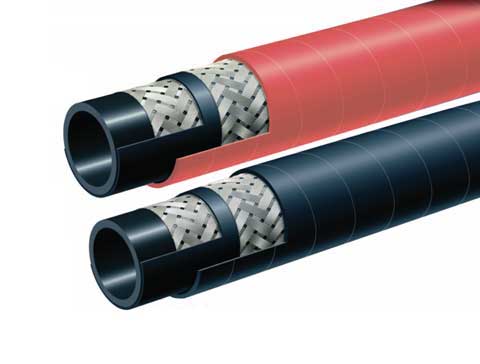
Hydraulic oil pipe, high temperature resistant EPDM rubber inner layer, continuous 125 ℃ hot hydraulic system special
release date:2026-08-20 14:43:37
reading volume:
share:
In the hot hydraulic system, it is normal for the hydraulic oil temperature to continuously exceed 100 ℃ - the thermal radiation of metallurgical continuous casting machines, long-term heavy load operation of engineering machinery, and continuous heat conduction of the heating section of injection molding machine molds all put the rubber layer in the pipeline under the dual test of high temperature and high pressure oil. Ordinary nitrile rubber (NBR) undergoes thermal oxidative aging and hardening within a few years under such working conditions, while the inner layer of ethylene propylene diene monomer (EPDM), with its saturated molecular chain structure, extends its continuous temperature resistance boundary to 125 ℃, becoming a reliable guarantee for "high-temperature non hardening and long-term non cracking" in thermal hydraulic systems.
 1、 Molecular code for sustained temperature resistance at 125 ℃: saturated main chain advantage of EPDM
Ordinary nitrile rubber contains a large number of unsaturated carbon carbon double bonds, which are prone to molecular chain breakage and cross-linking in high-temperature thermal oxygen environments, resulting in inner layer hardening, decreased elasticity, and sealing failure. The molecular main chain of EPDM is composed of saturated carbon carbon single bonds, while unsaturated double bonds only exist in the side chains, making it naturally inert to thermal oxygen attacks.
The standard continuous working temperature of EPDM can reach 125 ℃, and the peroxide vulcanization system can extend the upper limit to 150 ℃. This temperature range covers the typical operating temperature range of thermal hydraulic systems - hydraulic oil temperature is typically between 80-120 ℃, and the 125 ℃ level provides ample temperature redundancy. The relevant industrial hose products are clearly labeled with an EPDM inner layer suitable temperature range of -40 ℃ to+125 ℃. Water ethylene glycol coolant can be stably delivered within this temperature range, meeting the temperature requirements of engine cooling and thermal hydraulic systems.
The chemical stability of EPDM is equally critical. It has excellent tolerance to phosphate ester based hydraulic fluids and ethylene glycol based coolant, making it suitable for various types of media commonly found in thermal hydraulic systems. But its non resistance to mineral oil-based hydraulic oil determines that it needs to be used in conjunction with oil resistant materials such as NBR in hydraulic pipelines.
2、 Formula Design: From Sulfur System to Peroxide Sulfurization
The 125 ℃ temperature resistance of EPDM inner layer depends not only on the molecular structure of EPDM itself, but also on the choice of vulcanization system. The maximum sustained temperature resistance of conventional sulfur vulcanized EPDM is about 120 ℃; The peroxide vulcanization system can increase the continuous use temperature to 130-150 ℃, while significantly reducing the compression permanent deformation and providing better sealing retention.
In the specific application of hydraulic hoses, the inner rubber layer needs to withstand ethylene glycol based coolant or phosphate ester based hydraulic oil. Patent technology shows that using EPDM rubber as the inner layer material, combined with an effective sulfur vulcanization system and liquid EPDM rubber plasticization, can simultaneously meet the requirements of brake fluid resistance and high temperature aging resistance. The EPDM formula with high reinforcement carbon black and anti-aging agent added can still maintain no cracks on the inner and outer surfaces after thermal aging at 125 ℃ for 72 hours, verifying its structural stability during thermal cycling.
Some products also use the composite inner layer scheme of blending EPDM and NBR - NBR provides mineral oil resistance, while EPDM provides heat resistance, ozone resistance and anti-aging performance, comprehensively addressing the complex challenges of multiple media and high temperature in the thermal hydraulic system.
3、 Hot hydraulic system adaptation: from reinforcement layer to medium compatibility
In the hot hydraulic system, the performance of the EPDM inner hydraulic oil pipe not only depends on the material itself, but also needs to be coordinated with the reinforcement layer and outer rubber layer, and matched with the correct medium type.
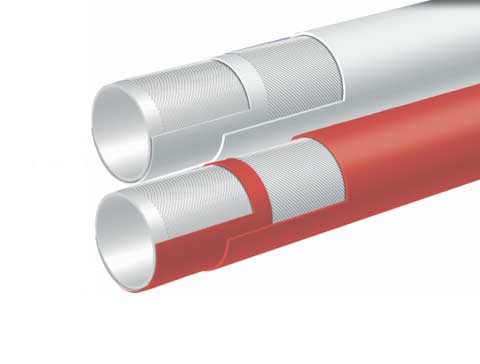
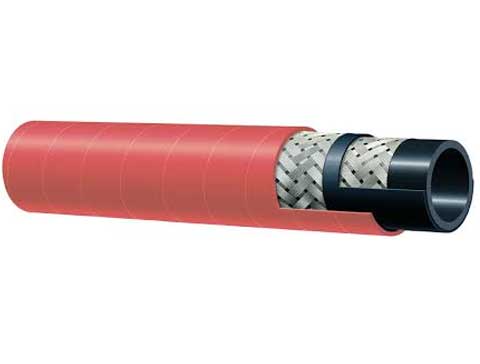
The reinforcement layer adopts high-strength steel wire weaving or winding structure to increase the working pressure of the hose to meet the requirements of the hydraulic system. The working pressure of EPDM hoses for cooling systems can reach 5-10 bar, while hydraulic systems require higher levels of pressure bearing. The adhesive strength between the reinforcement layer and the EPDM inner layer needs to remain stable at a high temperature of 125 ℃ to avoid interlayer delamination and failure.
Medium compatibility is a key constraint for the selection of EPDM inner layers in hydraulic systems. EPDM is not suitable for mineral oil-based hydraulic oil, fuel, and grease. Phosphate ester based hydraulic fluid and ethylene glycol based coolant are its suitable media. Therefore, in the selection of thermal hydraulic systems, it is necessary to clarify the type of hydraulic oil - if it is mineral oil-based, NBR inner layer with heat-resistant formula should be selected; If it is based on phosphate ester or water ethylene glycol, the EPDM inner layer is a better heat-resistant solution.
Multilayer composite structures also play a crucial role in thermal hydraulic systems. In a new type of hydraulic oil pipeline design, the outer layer is made of EPDM and polyester fiber composite to achieve anti-static and anti-aging, the inner layer is made of NBR to provide oil resistance, and the middle layer is made of EPDM and steel wire weaving to provide flame retardant reinforcement. This layered design complements the functions of each layer, taking into account the comprehensive needs of heat resistance, oil resistance, pressure resistance, and anti-static.
In summary, the EPDM inner hydraulic oil pipe, with its saturated molecular chain structure, achieves continuous heat resistance, extends the temperature range of peroxide vulcanization system to 150 ℃, and is chemically compatible with phosphate ester/ethylene glycol based media, perfectly meeting the systematic requirements of thermal hydraulic systems for "high temperature non hardening and long-term non cracking". From low temperature elasticity at -55 ℃ to continuous service at 125 ℃, from low compression permanent deformation of peroxide vulcanization to chemical inertness of phosphate based media, every material selection and formulation detail points towards the same goal: to provide reliable guarantees for fluid transportation that can withstand high temperature tests and long-term aging in hot hydraulic scenarios such as metallurgy, engineering machinery, and injection molding.
1、 Molecular code for sustained temperature resistance at 125 ℃: saturated main chain advantage of EPDM
Ordinary nitrile rubber contains a large number of unsaturated carbon carbon double bonds, which are prone to molecular chain breakage and cross-linking in high-temperature thermal oxygen environments, resulting in inner layer hardening, decreased elasticity, and sealing failure. The molecular main chain of EPDM is composed of saturated carbon carbon single bonds, while unsaturated double bonds only exist in the side chains, making it naturally inert to thermal oxygen attacks.
The standard continuous working temperature of EPDM can reach 125 ℃, and the peroxide vulcanization system can extend the upper limit to 150 ℃. This temperature range covers the typical operating temperature range of thermal hydraulic systems - hydraulic oil temperature is typically between 80-120 ℃, and the 125 ℃ level provides ample temperature redundancy. The relevant industrial hose products are clearly labeled with an EPDM inner layer suitable temperature range of -40 ℃ to+125 ℃. Water ethylene glycol coolant can be stably delivered within this temperature range, meeting the temperature requirements of engine cooling and thermal hydraulic systems.
The chemical stability of EPDM is equally critical. It has excellent tolerance to phosphate ester based hydraulic fluids and ethylene glycol based coolant, making it suitable for various types of media commonly found in thermal hydraulic systems. But its non resistance to mineral oil-based hydraulic oil determines that it needs to be used in conjunction with oil resistant materials such as NBR in hydraulic pipelines.
2、 Formula Design: From Sulfur System to Peroxide Sulfurization
The 125 ℃ temperature resistance of EPDM inner layer depends not only on the molecular structure of EPDM itself, but also on the choice of vulcanization system. The maximum sustained temperature resistance of conventional sulfur vulcanized EPDM is about 120 ℃; The peroxide vulcanization system can increase the continuous use temperature to 130-150 ℃, while significantly reducing the compression permanent deformation and providing better sealing retention.
In the specific application of hydraulic hoses, the inner rubber layer needs to withstand ethylene glycol based coolant or phosphate ester based hydraulic oil. Patent technology shows that using EPDM rubber as the inner layer material, combined with an effective sulfur vulcanization system and liquid EPDM rubber plasticization, can simultaneously meet the requirements of brake fluid resistance and high temperature aging resistance. The EPDM formula with high reinforcement carbon black and anti-aging agent added can still maintain no cracks on the inner and outer surfaces after thermal aging at 125 ℃ for 72 hours, verifying its structural stability during thermal cycling.
Some products also use the composite inner layer scheme of blending EPDM and NBR - NBR provides mineral oil resistance, while EPDM provides heat resistance, ozone resistance and anti-aging performance, comprehensively addressing the complex challenges of multiple media and high temperature in the thermal hydraulic system.
3、 Hot hydraulic system adaptation: from reinforcement layer to medium compatibility
In the hot hydraulic system, the performance of the EPDM inner hydraulic oil pipe not only depends on the material itself, but also needs to be coordinated with the reinforcement layer and outer rubber layer, and matched with the correct medium type.
The reinforcement layer adopts high-strength steel wire weaving or winding structure to increase the working pressure of the hose to meet the requirements of the hydraulic system. The working pressure of EPDM hoses for cooling systems can reach 5-10 bar, while hydraulic systems require higher levels of pressure bearing. The adhesive strength between the reinforcement layer and the EPDM inner layer needs to remain stable at a high temperature of 125 ℃ to avoid interlayer delamination and failure.
Medium compatibility is a key constraint for the selection of EPDM inner layers in hydraulic systems. EPDM is not suitable for mineral oil-based hydraulic oil, fuel, and grease. Phosphate ester based hydraulic fluid and ethylene glycol based coolant are its suitable media. Therefore, in the selection of thermal hydraulic systems, it is necessary to clarify the type of hydraulic oil - if it is mineral oil-based, NBR inner layer with heat-resistant formula should be selected; If it is based on phosphate ester or water ethylene glycol, the EPDM inner layer is a better heat-resistant solution.
Multilayer composite structures also play a crucial role in thermal hydraulic systems. In a new type of hydraulic oil pipeline design, the outer layer is made of EPDM and polyester fiber composite to achieve anti-static and anti-aging, the inner layer is made of NBR to provide oil resistance, and the middle layer is made of EPDM and steel wire weaving to provide flame retardant reinforcement. This layered design complements the functions of each layer, taking into account the comprehensive needs of heat resistance, oil resistance, pressure resistance, and anti-static.
In summary, the EPDM inner hydraulic oil pipe, with its saturated molecular chain structure, achieves continuous heat resistance, extends the temperature range of peroxide vulcanization system to 150 ℃, and is chemically compatible with phosphate ester/ethylene glycol based media, perfectly meeting the systematic requirements of thermal hydraulic systems for "high temperature non hardening and long-term non cracking". From low temperature elasticity at -55 ℃ to continuous service at 125 ℃, from low compression permanent deformation of peroxide vulcanization to chemical inertness of phosphate based media, every material selection and formulation detail points towards the same goal: to provide reliable guarantees for fluid transportation that can withstand high temperature tests and long-term aging in hot hydraulic scenarios such as metallurgy, engineering machinery, and injection molding.
Previous: