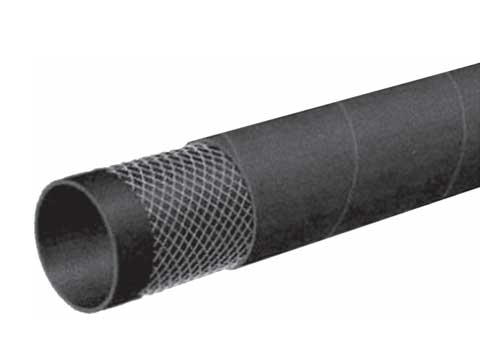
Hydraulic oil hose flame retardant and anti-static coal mine safety certification for underground hydraulic support
release date:2026-08-20 15:05:06
reading volume:
share:
In coal mines, coal dust is a constant safety hazard hanging overhead. The hydraulic support system, as the core supporting equipment of the fully mechanized mining face, has flexible pipelines for high-pressure emulsion transportation. Once an open flame or frictional static electricity accumulation discharge is caused by external factors, the consequences can be unimaginable. Ordinary hydraulic hoses are strictly prohibited from use in such high-risk environments, while hydraulic oil pipes that have passed the MT/T 98 standard flame retardant and anti-static dual certification and hold the MA mining safety mark are the legal access plan to ensure the safety of underground operations. They use a flame retardant outer layer to construct a fire barrier and a conductive material system to eliminate the risk of static electricity accumulation, becoming an indispensable "safety vessel" in coal mine hydraulic support systems.
 1、 Certification cornerstone: admission logic of MT/T 98 standard and MA logo
The Chinese coal industry standard MT/T 98-2006 "Inspection Specification for Hydraulic Support Hoses and Hose Assemblies" is a mandatory inspection specification for the matching hoses of hydraulic supports in coal mines in China. It is applicable to steel wire braided or steel wire wrapped rubber hoses and hose assemblies used in hydraulic systems such as emulsion pump stations, hydraulic support columns, and jacks.
The core provision of this standard is that both flame retardant test and anti-static test are "veto items" for the admission of coal mine safety signs. Both indicators must be qualified at the same time before the hose can be used in the well. This means that even if a hose performs well in other indicators such as pressure resistance and oil resistance, as long as any of the flame retardant or anti-static indicators are not met, it is never allowed to enter the coal mine underground. When purchasing, the product must hold the MA mark (Mining Product Safety Mark Certificate), and the supplier must provide flame retardant and anti-static inspection reports and factory certificates issued by third-party testing agencies. This certification system also frequently appears in the "main technical requirements" of coal mine procurement announcements, explicitly requiring "flame retardant and anti-static: in compliance with MT/T98 standard requirements".
2、 Structural code: Dual protection system of flame retardant and anti-static
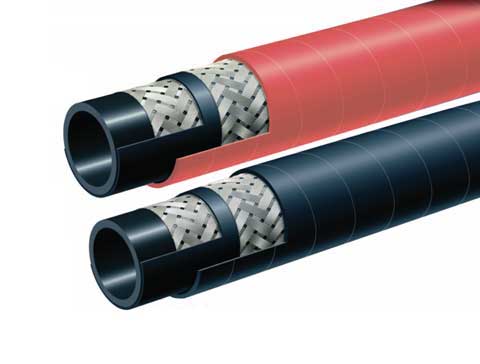
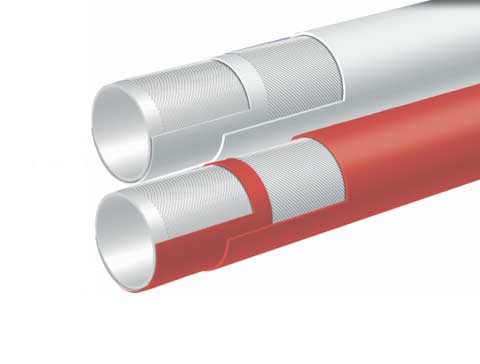
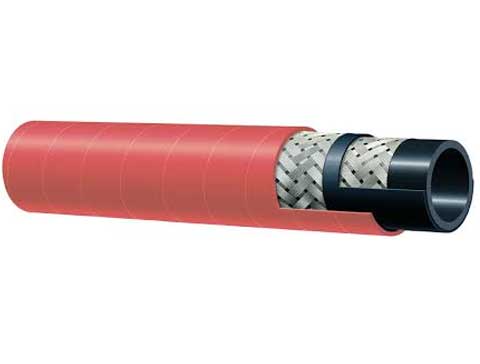
The safety performance of flame-retardant and anti-static hydraulic oil pipes for underground hydraulic supports is derived from the material and structural design of the three in one process of "internal adhesive conducting static electricity - reinforcement layer exporting - external adhesive flame retardant".
The flame retardant design of the outer adhesive layer is the first line of defense against the threat of underground open flames. The outer adhesive layer is made of flame-retardant chloroprene rubber formula, which needs to withstand the rigorous test of 900 ℃ flame and continuous fire supply for 12 seconds in the alcohol spray lamp combustion test. The qualification standard requires that the ignition time after removing the fire source should be ≤ 10 seconds, the smoldering time should be ≤ 30 seconds, the damage length should be ≤ 100mm, and if there are molten droplets during the combustion process, the degreased cotton below 300mm should not be ignited.
Anti static design eliminates the hidden danger of static sparks from the source. During the high-pressure transportation of emulsion in underground hoses, the friction between the adhesive layer, medium, and steel wire layer is prone to static electricity accumulation. If not removed in time, the discharge spark can ignite the gas. The standard requires the surface resistance of the outer rubber layer of the hose to be ≤ 1 × 10 ΩΩ, the volume resistance to be ≤ 1 × 10 Ω· cm, and the conductivity resistance between the joint and the reinforcing layer steel wire to be ≤ 1 Ω. At the material level, the inner rubber layer is made of nitrile rubber (NBR) and doped with conductive carbon black to form a conductive path, while the reinforcing layer of steel wire serves as a key channel for electrostatic discharge, allowing the static charges generated by friction to be safely introduced into the ground through the joint.
3、 Underground adaptation: from high-pressure bearing to full cycle safety
The application of flame-retardant and anti-static hydraulic oil pipes in coal mines is centered around the hydraulic support system, and extends to the high-pressure pipelines of coal mining machines and tunneling machines.
In terms of pressure rating, the hose of the main supply pipeline of the underground hydraulic support usually requires a working pressure of 35-42MPa, and the reinforcement layer adopts a 4-layer to 6-layer ultra high strength steel wire winding structure, with a blasting pressure of more than 4 times the working pressure. The application data of hoses with dual certification of MT/T98 and MSHA shows that the average replacement cycle can be extended from 3 months to 8 months, and the downtime for maintenance can be reduced by 60%. The inner rubber layer adopts an oil resistant synthetic rubber formula, which can withstand long-term erosion from media such as emulsions and water ethylene glycol; The reinforced layer steel wire has undergone rust prevention treatment to adapt to the high humidity environment underground.
Selection and compliance management are key links in ensuring the safety of underground operations. When selecting, it is necessary to verify whether the product holds a valid MA mark and complete certificate; Confirm that the pressure level of the hose matches the working pressure of the system (the main circuit of the hydraulic support usually uses four or six layers of steel wire wrapped hoses with a pressure level of 35-42MPa); For equipment with export demand, additional confirmation is required whether the product has obtained MSHA (Mine Safety and Health Administration) certification. In daily maintenance, it is necessary to regularly check whether the outer adhesive layer is damaged (damage can cause interruption of the anti-static electrical path), and pay attention to the reliability of the wire layer conductivity at the joint.
In summary, the flame retardant and anti-static hydraulic oil pipe that meets the MT/T 98 standard perfectly meets the systematic requirements of "fire and explosion prevention, safety and reliability" of the coal mine underground hydraulic support system with three core technologies: the flame retardant barrier of the alcohol spray lamp at 900 ℃ × 12 seconds, the static electricity export design with surface resistance ≤ 10 ⁹ Ω, and the compliance guarantee of MA and MSHA dual certification. From the "four indicators all qualified" of flame retardant testing to the "dual resistance+conduction" three control standard of anti-static, from the 42MPa pressure bearing of 4-layer steel wire winding to the legal admission of MA mark, every standard and design points to the same goal: to provide a safety guarantee for hydraulic supports in the deep mine where gas and coal dust interweave, without accumulating static electricity and spreading combustion.
1、 Certification cornerstone: admission logic of MT/T 98 standard and MA logo
The Chinese coal industry standard MT/T 98-2006 "Inspection Specification for Hydraulic Support Hoses and Hose Assemblies" is a mandatory inspection specification for the matching hoses of hydraulic supports in coal mines in China. It is applicable to steel wire braided or steel wire wrapped rubber hoses and hose assemblies used in hydraulic systems such as emulsion pump stations, hydraulic support columns, and jacks.
The core provision of this standard is that both flame retardant test and anti-static test are "veto items" for the admission of coal mine safety signs. Both indicators must be qualified at the same time before the hose can be used in the well. This means that even if a hose performs well in other indicators such as pressure resistance and oil resistance, as long as any of the flame retardant or anti-static indicators are not met, it is never allowed to enter the coal mine underground. When purchasing, the product must hold the MA mark (Mining Product Safety Mark Certificate), and the supplier must provide flame retardant and anti-static inspection reports and factory certificates issued by third-party testing agencies. This certification system also frequently appears in the "main technical requirements" of coal mine procurement announcements, explicitly requiring "flame retardant and anti-static: in compliance with MT/T98 standard requirements".
2、 Structural code: Dual protection system of flame retardant and anti-static
The safety performance of flame-retardant and anti-static hydraulic oil pipes for underground hydraulic supports is derived from the material and structural design of the three in one process of "internal adhesive conducting static electricity - reinforcement layer exporting - external adhesive flame retardant".
The flame retardant design of the outer adhesive layer is the first line of defense against the threat of underground open flames. The outer adhesive layer is made of flame-retardant chloroprene rubber formula, which needs to withstand the rigorous test of 900 ℃ flame and continuous fire supply for 12 seconds in the alcohol spray lamp combustion test. The qualification standard requires that the ignition time after removing the fire source should be ≤ 10 seconds, the smoldering time should be ≤ 30 seconds, the damage length should be ≤ 100mm, and if there are molten droplets during the combustion process, the degreased cotton below 300mm should not be ignited.
Anti static design eliminates the hidden danger of static sparks from the source. During the high-pressure transportation of emulsion in underground hoses, the friction between the adhesive layer, medium, and steel wire layer is prone to static electricity accumulation. If not removed in time, the discharge spark can ignite the gas. The standard requires the surface resistance of the outer rubber layer of the hose to be ≤ 1 × 10 ΩΩ, the volume resistance to be ≤ 1 × 10 Ω· cm, and the conductivity resistance between the joint and the reinforcing layer steel wire to be ≤ 1 Ω. At the material level, the inner rubber layer is made of nitrile rubber (NBR) and doped with conductive carbon black to form a conductive path, while the reinforcing layer of steel wire serves as a key channel for electrostatic discharge, allowing the static charges generated by friction to be safely introduced into the ground through the joint.
3、 Underground adaptation: from high-pressure bearing to full cycle safety
The application of flame-retardant and anti-static hydraulic oil pipes in coal mines is centered around the hydraulic support system, and extends to the high-pressure pipelines of coal mining machines and tunneling machines.
In terms of pressure rating, the hose of the main supply pipeline of the underground hydraulic support usually requires a working pressure of 35-42MPa, and the reinforcement layer adopts a 4-layer to 6-layer ultra high strength steel wire winding structure, with a blasting pressure of more than 4 times the working pressure. The application data of hoses with dual certification of MT/T98 and MSHA shows that the average replacement cycle can be extended from 3 months to 8 months, and the downtime for maintenance can be reduced by 60%. The inner rubber layer adopts an oil resistant synthetic rubber formula, which can withstand long-term erosion from media such as emulsions and water ethylene glycol; The reinforced layer steel wire has undergone rust prevention treatment to adapt to the high humidity environment underground.
Selection and compliance management are key links in ensuring the safety of underground operations. When selecting, it is necessary to verify whether the product holds a valid MA mark and complete certificate; Confirm that the pressure level of the hose matches the working pressure of the system (the main circuit of the hydraulic support usually uses four or six layers of steel wire wrapped hoses with a pressure level of 35-42MPa); For equipment with export demand, additional confirmation is required whether the product has obtained MSHA (Mine Safety and Health Administration) certification. In daily maintenance, it is necessary to regularly check whether the outer adhesive layer is damaged (damage can cause interruption of the anti-static electrical path), and pay attention to the reliability of the wire layer conductivity at the joint.
In summary, the flame retardant and anti-static hydraulic oil pipe that meets the MT/T 98 standard perfectly meets the systematic requirements of "fire and explosion prevention, safety and reliability" of the coal mine underground hydraulic support system with three core technologies: the flame retardant barrier of the alcohol spray lamp at 900 ℃ × 12 seconds, the static electricity export design with surface resistance ≤ 10 ⁹ Ω, and the compliance guarantee of MA and MSHA dual certification. From the "four indicators all qualified" of flame retardant testing to the "dual resistance+conduction" three control standard of anti-static, from the 42MPa pressure bearing of 4-layer steel wire winding to the legal admission of MA mark, every standard and design points to the same goal: to provide a safety guarantee for hydraulic supports in the deep mine where gas and coal dust interweave, without accumulating static electricity and spreading combustion.
Previous: