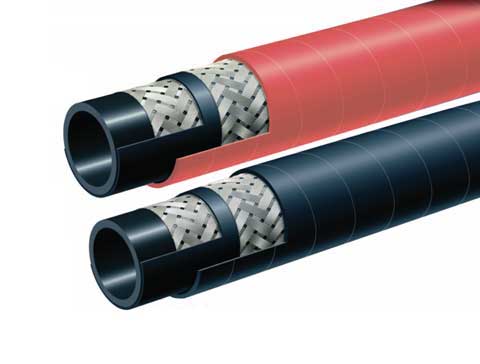
Corrosion resistant chemical large-diameter rubber hose lined with butyl rubber, resistant to hydrofluoric acid and strong oxidants
release date:2026-08-04 09:39:43
reading volume:
share:
In the fields of chemical production, metal surface treatment, semiconductor wet process, and mineral processing, the transportation of hydrofluoric acid (HF) and strong oxidizing acids (such as concentrated nitric acid, concentrated sulfuric acid, chromic acid) poses extremely severe challenges to pipeline materials. Hydrofluoric acid has strong corrosiveness towards silicates and metal materials, while strong oxidants such as concentrated nitric acid can rapidly oxidize and degrade most organic polymers. The large-diameter rubber hose lined with butyl rubber (IIR) is a professional product for this dual corrosion condition - it uses the high saturation molecular structure of butyl rubber to achieve acid and antioxidant chemical inertness, meets the needs of high flow transportation with a large-diameter design, and carries working pressure with a multi-layer fiber/steel wire reinforced structure, becoming the "acid resistant artery" for transporting highly corrosive media in the chemical and metallurgical fields.
1、 Corrosion resistance mechanism of butyl rubber: synergistic effect of high saturation and low permeability
Butyl rubber is polymerized from isobutene and a small amount of isoprene at low temperatures, and its molecular main chain has extremely high saturation (unsaturation is only 1.4% -1.8% mol). This structural feature makes it significantly superior to natural rubber and styrene butadiene rubber in terms of chemical stability: the molecular chain lacks unsaturated double bonds that are susceptible to chemical attacks, and has natural inertness to acids, bases, and polar solvents.
 Butyl rubber exhibits excellent resistance in hydrofluoric acid medium. Industry application data shows that butyl rubber can withstand concentrations of 40% hydrofluoric acid and 25% nitric acid. Stainless steel pickling tanks often use butyl rubber as a corrosion-resistant layer, which has been successfully applied in environments exposed to phosphoric acid and hydrofluoric acid. For strong oxidants, although butyl rubber is not resistant to long-term immersion in concentrated oxidizing acids (such as fuming nitric acid and concentrated sulfuric acid), it has good resistance to moderate concentrations of oxidizing acids (such as dilute nitric acid and chromic acid solutions).
The low gas and liquid permeability of butyl rubber further enhances its corrosion resistance advantage. The densely arranged side methyl groups in its molecular chain limit the thermal movement of polymer molecules, making it difficult for water molecules and acid ions to penetrate the pipe wall. After soaking in 70% sulfuric acid for 13 weeks, the strength and elongation of butyl rubber showed almost no loss, while the performance of natural rubber and styrene butadiene rubber had significantly decreased.
2、 Large caliber structural design: composite of fiber/steel wire reinforcement and corrosion-resistant lining
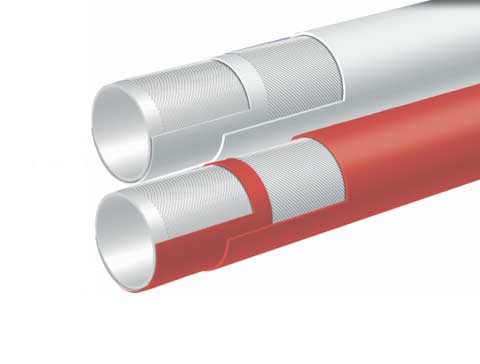
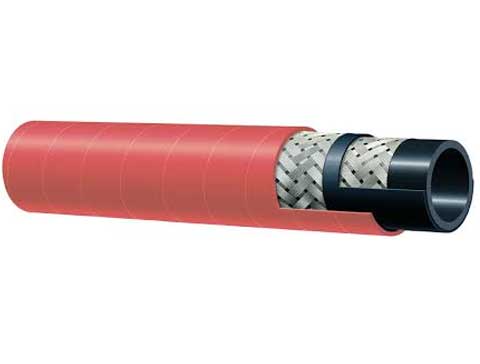
To achieve safe transportation of highly corrosive media such as hydrofluoric acid and nitric acid in large-diameter acid resistant rubber hoses, it is necessary to organically combine the chemical inertness of the butyl rubber lining with the mechanical bearing capacity of the reinforcement layer.
The inner lining layer is a chemical barrier that directly contacts corrosive media. The thickness of industrial grade butyl rubber lining is usually not less than 1.2mm, and can be increased to 3-5mm under special working conditions to provide a longer corrosion resistance life. The chlorinated butyl rubber lining further improves the vulcanization performance and adhesion, and performs particularly successfully in environments exposed to phosphoric acid and hydrofluoric acid.
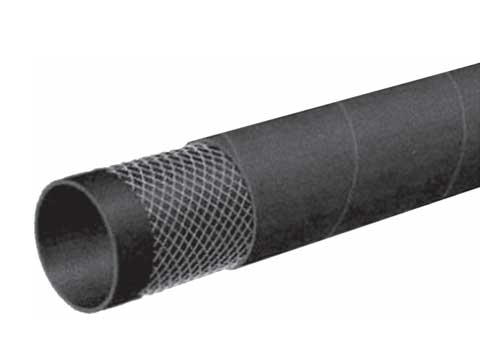
The reinforcement layer is the mechanical skeleton of the hose under pressure, usually using multi-layer fiber circular weave reinforcement or steel wire winding structure. According to HG/T 6164 standard, the reinforcement layer design of large-diameter hoses must meet the requirement of a maximum working pressure between 0.8-5.0MPa, with a burst pressure of three times the working pressure. For specifications with a nominal inner diameter of 100-150mm, the maximum working pressure can reach 3.6-5.0MPa; The working pressure for large diameters above 300mm is 0.8-1.7MPa. The interlayer adhesive strength between the reinforcement layer and the inner lining is required to be no less than 2.0kN/m to avoid interlayer peeling under high voltage pulses.
The outer coating is made of ozone resistant and weather resistant synthetic rubber, which has no cracking after 72 hours at 40 ℃ and 50pphm ozone concentration, and has passed the low-temperature performance test at -30 ℃. The UV resistance of the outer adhesive layer ensures reliability under long-term exposure in outdoor or open-air factories.
3、 Chemical application scenarios and selection points
The large-diameter acid resistant hose lined with butyl rubber is mainly used for transporting hydrofluoric acid and strong oxidizing acids, metal surface treatment, chemical equipment lining, phosphoric acid/wet metallurgy, and fluorine-containing chemical media transportation. In the semiconductor and photovoltaic industries, butyl rubber/chlorinated butyl rubber lining is the preferred choice for media such as hydrofluoric acid and buffered oxide etching solutions; In the chemical industry, flexible connection sections are used for the production of phosphoric acid and the transportation of fluorinated compounds in pipelines; In the field of metal surface treatment, as a flexible connector for the inlet and outlet of stainless steel/titanium alloy pickling tanks, it can withstand repeated flushing by mixed acid solutions.
In terms of selection taboos, butyl rubber is not resistant to concentrated oxidizing acids (such as fuming nitric acid, 98% concentrated sulfuric acid) and petroleum solvents. It will swell severely when in contact with aromatic media at high temperatures. The working temperature should be controlled below 100 ℃ (sulfur vulcanization system), and the resin vulcanization system can be extended to 150-200 ℃. Pressure matching should pay attention to the fact that the working pressure of large-diameter hoses decreases as the inner diameter increases, and it should be ensured that the maximum pressure of the system does not exceed the rated value of this specification. In terms of joint matching, acid resistant stainless steel (such as 316L) flanges or Hastelloy joints should be selected for end connections to prevent electrochemical corrosion of metal components in acidic media.
In summary, the large-diameter acid resistant hose lined with butyl rubber perfectly meets the strict requirements of "corrosion resistance, high flow rate, and reliable pressure bearing" in hydrofluoric acid and strong oxidizing acid transportation scenarios, thanks to its high saturation molecular chain acid and oxidation resistance mechanism, low permeability medium barrier ability, and composite structure of fiber/steel wire reinforcement and lining corrosion resistance. From long-term exposure to 40% hydrofluoric acid to 13 weeks of immersion in 70% sulfuric acid, from optimizing the adhesion of butyl chloride to standardizing the interlayer adhesion strength, every material characteristic and structural detail points towards the same goal: to provide a flexible channel that can withstand corrosion and pressure for the transportation of high-risk acid solutions in the highly corrosive environment of chemical plants.
Butyl rubber exhibits excellent resistance in hydrofluoric acid medium. Industry application data shows that butyl rubber can withstand concentrations of 40% hydrofluoric acid and 25% nitric acid. Stainless steel pickling tanks often use butyl rubber as a corrosion-resistant layer, which has been successfully applied in environments exposed to phosphoric acid and hydrofluoric acid. For strong oxidants, although butyl rubber is not resistant to long-term immersion in concentrated oxidizing acids (such as fuming nitric acid and concentrated sulfuric acid), it has good resistance to moderate concentrations of oxidizing acids (such as dilute nitric acid and chromic acid solutions).
The low gas and liquid permeability of butyl rubber further enhances its corrosion resistance advantage. The densely arranged side methyl groups in its molecular chain limit the thermal movement of polymer molecules, making it difficult for water molecules and acid ions to penetrate the pipe wall. After soaking in 70% sulfuric acid for 13 weeks, the strength and elongation of butyl rubber showed almost no loss, while the performance of natural rubber and styrene butadiene rubber had significantly decreased.
2、 Large caliber structural design: composite of fiber/steel wire reinforcement and corrosion-resistant lining
To achieve safe transportation of highly corrosive media such as hydrofluoric acid and nitric acid in large-diameter acid resistant rubber hoses, it is necessary to organically combine the chemical inertness of the butyl rubber lining with the mechanical bearing capacity of the reinforcement layer.
The inner lining layer is a chemical barrier that directly contacts corrosive media. The thickness of industrial grade butyl rubber lining is usually not less than 1.2mm, and can be increased to 3-5mm under special working conditions to provide a longer corrosion resistance life. The chlorinated butyl rubber lining further improves the vulcanization performance and adhesion, and performs particularly successfully in environments exposed to phosphoric acid and hydrofluoric acid.
The reinforcement layer is the mechanical skeleton of the hose under pressure, usually using multi-layer fiber circular weave reinforcement or steel wire winding structure. According to HG/T 6164 standard, the reinforcement layer design of large-diameter hoses must meet the requirement of a maximum working pressure between 0.8-5.0MPa, with a burst pressure of three times the working pressure. For specifications with a nominal inner diameter of 100-150mm, the maximum working pressure can reach 3.6-5.0MPa; The working pressure for large diameters above 300mm is 0.8-1.7MPa. The interlayer adhesive strength between the reinforcement layer and the inner lining is required to be no less than 2.0kN/m to avoid interlayer peeling under high voltage pulses.
The outer coating is made of ozone resistant and weather resistant synthetic rubber, which has no cracking after 72 hours at 40 ℃ and 50pphm ozone concentration, and has passed the low-temperature performance test at -30 ℃. The UV resistance of the outer adhesive layer ensures reliability under long-term exposure in outdoor or open-air factories.
3、 Chemical application scenarios and selection points
The large-diameter acid resistant hose lined with butyl rubber is mainly used for transporting hydrofluoric acid and strong oxidizing acids, metal surface treatment, chemical equipment lining, phosphoric acid/wet metallurgy, and fluorine-containing chemical media transportation. In the semiconductor and photovoltaic industries, butyl rubber/chlorinated butyl rubber lining is the preferred choice for media such as hydrofluoric acid and buffered oxide etching solutions; In the chemical industry, flexible connection sections are used for the production of phosphoric acid and the transportation of fluorinated compounds in pipelines; In the field of metal surface treatment, as a flexible connector for the inlet and outlet of stainless steel/titanium alloy pickling tanks, it can withstand repeated flushing by mixed acid solutions.
In terms of selection taboos, butyl rubber is not resistant to concentrated oxidizing acids (such as fuming nitric acid, 98% concentrated sulfuric acid) and petroleum solvents. It will swell severely when in contact with aromatic media at high temperatures. The working temperature should be controlled below 100 ℃ (sulfur vulcanization system), and the resin vulcanization system can be extended to 150-200 ℃. Pressure matching should pay attention to the fact that the working pressure of large-diameter hoses decreases as the inner diameter increases, and it should be ensured that the maximum pressure of the system does not exceed the rated value of this specification. In terms of joint matching, acid resistant stainless steel (such as 316L) flanges or Hastelloy joints should be selected for end connections to prevent electrochemical corrosion of metal components in acidic media.
In summary, the large-diameter acid resistant hose lined with butyl rubber perfectly meets the strict requirements of "corrosion resistance, high flow rate, and reliable pressure bearing" in hydrofluoric acid and strong oxidizing acid transportation scenarios, thanks to its high saturation molecular chain acid and oxidation resistance mechanism, low permeability medium barrier ability, and composite structure of fiber/steel wire reinforcement and lining corrosion resistance. From long-term exposure to 40% hydrofluoric acid to 13 weeks of immersion in 70% sulfuric acid, from optimizing the adhesion of butyl chloride to standardizing the interlayer adhesion strength, every material characteristic and structural detail points towards the same goal: to provide a flexible channel that can withstand corrosion and pressure for the transportation of high-risk acid solutions in the highly corrosive environment of chemical plants.
Previous: