Lightweight EPDM steam hose reduces weight by 30% for high-temperature steam transmission pipes
release date:2026-07-21 14:05:53
reading volume:
share:
Lightweight EPDM steam hose reduces weight by 30%. In industrial production, high-temperature steam plays a key role as an efficient and widely used heat carrier in many aspects such as heating and power drive. As an important component for steam transmission, the performance of steam hoses directly affects the operational efficiency and safety of the entire steam system. However, traditional steam hoses have gradually exposed some drawbacks due to weight issues during long-term use.
 Traditional steam hoses typically use thicker rubber and reinforcement layers to meet the pressure and temperature resistance requirements for high-temperature steam transmission, resulting in a heavier overall weight of the hose. In some large industrial scenarios, such as chemical, power, textile and other industries, steam hoses are widely used and have long lengths. Overloaded hoses pose great difficulties for installation, handling and operation. During installation, a significant amount of manpower and time are required to transport and secure the hoses, which increases construction costs and timelines. During the operation of the equipment, heavy hoses can exert significant tension and pressure on pipeline supports and connecting components, accelerating their aging and damage, shortening the service life of the equipment, and increasing maintenance costs. In addition, in some situations where frequent movement or adjustment of steam hoses is required, such as laboratories, small processing workshops, etc., heavy hoses seriously affect the flexibility and efficiency of operations.
Lightweight breakthrough: EPDM material and process innovation help reduce weight
Unique advantages of EPDM material
EPDM (Ethylene Propylene Diene Monomer Rubber) is a high-performance synthetic rubber material that provides an ideal foundation for the development of lightweight steam hoses. It has the characteristic of low density and is lighter in weight compared to some traditional rubber materials in the same volume. At the same time, EPDM rubber also has excellent properties such as high temperature resistance, aging resistance, and chemical corrosion resistance, which can meet the stringent requirements of high temperature steam transmission. Its good elasticity and flexibility enable the hose to maintain sufficient strength and pressure resistance while reducing weight, ensuring safe transmission of steam.
Innovative structural design
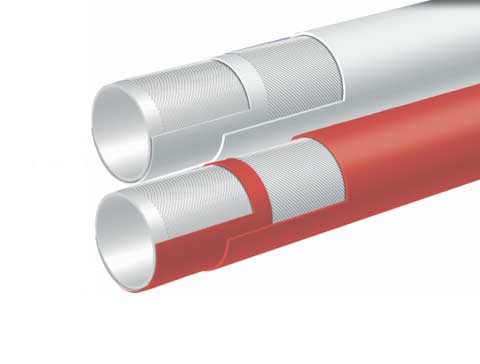
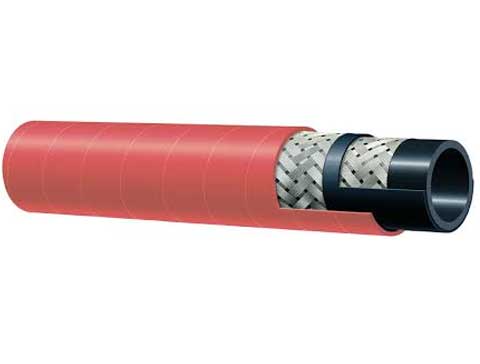
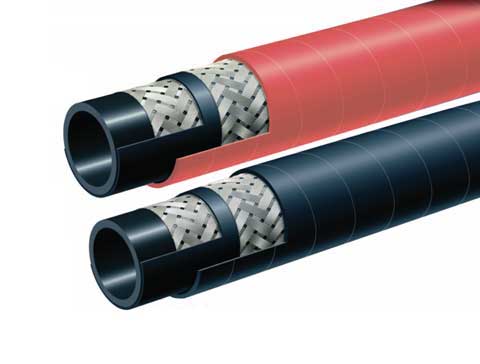
In order to achieve the goal of reducing weight by 30%, bold innovations have been made in the structural design of the hose. Adopting a new type of composite reinforcement structure, it abandons the heavy and single reinforcement layer design in traditional hoses. By optimizing the types and layout of reinforcement materials, high-strength and low-density fiber materials such as aramid fibers, glass fibers, etc. are used as reinforcement layers. These fiber materials not only have extremely high strength and can effectively withstand steam pressure, but also weigh much less than traditional steel wire reinforcement materials. At the same time, the reasonable design of the weaving angle and number of layers of fibers reduces the weight of the reinforcement layer to a certain extent while ensuring the pressure resistance performance of the hose.
Advanced production technology
Advanced production technology is the key to achieving a quality leap in lightweight EPDM steam hoses. During the rubber mixing process, precise formula control and advanced mixing technology are used to ensure the uniform and stable performance of EPDM rubber, laying the foundation for subsequent molding processes. In the molding process, advanced extrusion molding or compression molding techniques can be used to precisely control the inner diameter, outer diameter, and wall thickness of the hose, making the structure of the hose more compact and reasonable. By optimizing the vulcanization process parameters such as temperature, time, and pressure, a more complete cross-linking structure is formed between rubber molecules, which improves the physical properties and aging resistance of the hose, while avoiding performance degradation and weight increase caused by excessive or insufficient vulcanization.
Significant lightweighting effect: the advantages of multi scenario applications are fully demonstrated
The convenience of installation and transportation has been greatly improved
After reducing the weight of EPDM steam hoses by 30%, they demonstrate significant advantages during installation and handling. In the installation of steam pipelines in large-scale industrial projects, construction personnel can more easily transport and lay hoses, greatly reducing installation time and improving construction efficiency. For example, in a steam pipeline renovation project of a chemical enterprise, when using traditional steam hoses, multiple workers need to work together and it takes several days to complete the installation; After adopting lightweight EPDM steam hoses, only a small number of workers are needed to complete the installation of hoses of the same length in a shorter period of time, saving a lot of manpower and time costs. In some situations where frequent movement of steam hoses is required, such as laboratory equipment debugging, production layout adjustment in small processing workshops, etc., operators can easily complete the movement and connection of hoses independently, improving the flexibility and convenience of work.
Significantly reduce the impact on equipment load
The steam hose that reduces weight significantly reduces the load on pipeline supports and connecting components, effectively extending the service life of these components. During long-term operation, heavy traditional hoses can subject pipeline supports to significant tension and pressure, which can easily cause deformation, loosening, or even damage to the supports. The application of lightweight EPDM steam hoses reduces the burden on brackets and minimizes the risk of safety accidents such as steam leaks caused by bracket issues. At the same time, the wear of connecting components such as flanges and joints is greatly reduced, which lowers the maintenance cost and downtime of the equipment, and improves the reliability and stability of the entire steam system.
Optimization of energy transmission efficiency
Lightweight design also helps optimize the efficiency of steam transmission to a certain extent. Lighter hoses generate relatively less resistance during steam flow, reducing energy loss during steam transmission and allowing more heat energy to be effectively transferred to the end of use. For some production processes that require high steam temperature and pressure, such as high-temperature sterilization in food processing and reaction heating in chemical production, this can improve production efficiency and product quality, bringing better economic benefits to enterprises.
Lightweight EPDM steam hoses, with their significant advantage of reducing weight by 30%, have shown broad application prospects in the field of high-temperature steam transmission. It not only solves many problems caused by the heavy weight of traditional steam hoses, but also brings positive effects on installation convenience, equipment load, energy transmission efficiency, etc., providing strong support for the efficient and safe operation of industrial production. Steam transmission pipe
Traditional steam hoses typically use thicker rubber and reinforcement layers to meet the pressure and temperature resistance requirements for high-temperature steam transmission, resulting in a heavier overall weight of the hose. In some large industrial scenarios, such as chemical, power, textile and other industries, steam hoses are widely used and have long lengths. Overloaded hoses pose great difficulties for installation, handling and operation. During installation, a significant amount of manpower and time are required to transport and secure the hoses, which increases construction costs and timelines. During the operation of the equipment, heavy hoses can exert significant tension and pressure on pipeline supports and connecting components, accelerating their aging and damage, shortening the service life of the equipment, and increasing maintenance costs. In addition, in some situations where frequent movement or adjustment of steam hoses is required, such as laboratories, small processing workshops, etc., heavy hoses seriously affect the flexibility and efficiency of operations.
Lightweight breakthrough: EPDM material and process innovation help reduce weight
Unique advantages of EPDM material
EPDM (Ethylene Propylene Diene Monomer Rubber) is a high-performance synthetic rubber material that provides an ideal foundation for the development of lightweight steam hoses. It has the characteristic of low density and is lighter in weight compared to some traditional rubber materials in the same volume. At the same time, EPDM rubber also has excellent properties such as high temperature resistance, aging resistance, and chemical corrosion resistance, which can meet the stringent requirements of high temperature steam transmission. Its good elasticity and flexibility enable the hose to maintain sufficient strength and pressure resistance while reducing weight, ensuring safe transmission of steam.
Innovative structural design
In order to achieve the goal of reducing weight by 30%, bold innovations have been made in the structural design of the hose. Adopting a new type of composite reinforcement structure, it abandons the heavy and single reinforcement layer design in traditional hoses. By optimizing the types and layout of reinforcement materials, high-strength and low-density fiber materials such as aramid fibers, glass fibers, etc. are used as reinforcement layers. These fiber materials not only have extremely high strength and can effectively withstand steam pressure, but also weigh much less than traditional steel wire reinforcement materials. At the same time, the reasonable design of the weaving angle and number of layers of fibers reduces the weight of the reinforcement layer to a certain extent while ensuring the pressure resistance performance of the hose.
Advanced production technology
Advanced production technology is the key to achieving a quality leap in lightweight EPDM steam hoses. During the rubber mixing process, precise formula control and advanced mixing technology are used to ensure the uniform and stable performance of EPDM rubber, laying the foundation for subsequent molding processes. In the molding process, advanced extrusion molding or compression molding techniques can be used to precisely control the inner diameter, outer diameter, and wall thickness of the hose, making the structure of the hose more compact and reasonable. By optimizing the vulcanization process parameters such as temperature, time, and pressure, a more complete cross-linking structure is formed between rubber molecules, which improves the physical properties and aging resistance of the hose, while avoiding performance degradation and weight increase caused by excessive or insufficient vulcanization.
Significant lightweighting effect: the advantages of multi scenario applications are fully demonstrated
The convenience of installation and transportation has been greatly improved
After reducing the weight of EPDM steam hoses by 30%, they demonstrate significant advantages during installation and handling. In the installation of steam pipelines in large-scale industrial projects, construction personnel can more easily transport and lay hoses, greatly reducing installation time and improving construction efficiency. For example, in a steam pipeline renovation project of a chemical enterprise, when using traditional steam hoses, multiple workers need to work together and it takes several days to complete the installation; After adopting lightweight EPDM steam hoses, only a small number of workers are needed to complete the installation of hoses of the same length in a shorter period of time, saving a lot of manpower and time costs. In some situations where frequent movement of steam hoses is required, such as laboratory equipment debugging, production layout adjustment in small processing workshops, etc., operators can easily complete the movement and connection of hoses independently, improving the flexibility and convenience of work.
Significantly reduce the impact on equipment load
The steam hose that reduces weight significantly reduces the load on pipeline supports and connecting components, effectively extending the service life of these components. During long-term operation, heavy traditional hoses can subject pipeline supports to significant tension and pressure, which can easily cause deformation, loosening, or even damage to the supports. The application of lightweight EPDM steam hoses reduces the burden on brackets and minimizes the risk of safety accidents such as steam leaks caused by bracket issues. At the same time, the wear of connecting components such as flanges and joints is greatly reduced, which lowers the maintenance cost and downtime of the equipment, and improves the reliability and stability of the entire steam system.
Optimization of energy transmission efficiency
Lightweight design also helps optimize the efficiency of steam transmission to a certain extent. Lighter hoses generate relatively less resistance during steam flow, reducing energy loss during steam transmission and allowing more heat energy to be effectively transferred to the end of use. For some production processes that require high steam temperature and pressure, such as high-temperature sterilization in food processing and reaction heating in chemical production, this can improve production efficiency and product quality, bringing better economic benefits to enterprises.
Lightweight EPDM steam hoses, with their significant advantage of reducing weight by 30%, have shown broad application prospects in the field of high-temperature steam transmission. It not only solves many problems caused by the heavy weight of traditional steam hoses, but also brings positive effects on installation convenience, equipment load, energy transmission efficiency, etc., providing strong support for the efficient and safe operation of industrial production. Steam transmission pipe