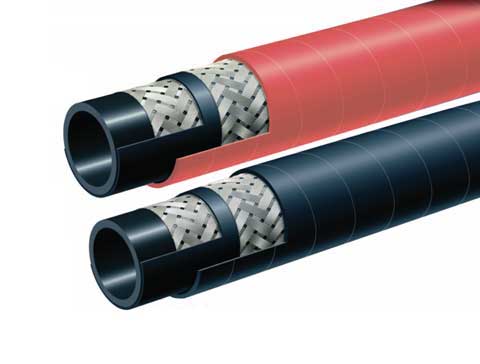
EPDM rubber hose resistant to coolant, compatible with water, ethylene glycol, propylene glycol, resistant to aging and hydrolysis, with a long service life
release date:2026-06-29 14:30:16
reading volume:
share:
In scenarios such as data center liquid cooling, new energy vehicle thermal management, and industrial equipment cooling, coolant hoses are exposed to media such as ethylene glycol/propylene glycol based antifreeze and high-temperature circulating water for a long time. Ordinary rubber materials can swell, harden, or even hydrolyze and crack in such environments within a few years, leading to coolant leakage and equipment failure. The EPDM rubber hose resistant to coolant is a professional product designed for this working condition - it achieves chemical inertness through a saturated molecular chain structure, eliminates metal corrosion through a peroxide vulcanization system, and ensures pressure flexibility through fiber weaving reinforcement. It has become a "long-lasting blood vessel" compatible with water ethylene glycol and propylene glycol media in liquid cooling systems.
 1、 Molecular code: The "non-polar saturated" structure of EPDM and its resistance to media genes
The excellent chemical stability of EPDM rubber hoses resistant to coolant is rooted in the unique molecular structure of EPDM rubber. EPDM belongs to non-polar, saturated structural rubber - the so-called "non-polar" refers to the absence of polar groups inside the molecule, following the principle of "similar solubility", and naturally inert to polar media such as water, ethylene glycol, propylene glycol, etc; The so-called "saturation" refers to the absence of easily oxidizable unsaturated double bonds in the main chain of the molecule, endowing the material with excellent resistance to ozone, weather, and thermal oxidative aging.
In the standard test of coolant hoses, EPDM material needs to pass the antifreeze immersion test at 150 ℃ for 166 hours. The hardness change is required to be controlled within ± 5, the tensile strength change is ± 20%, the elongation at break change is -15% to 20%, and the volume change is within ± 5%. This strict indicator means that the physical properties of the hose remain stable even after long-term exposure to coolant, and will not cause inner swelling, blockage of the flow channel, or sealing failure due to medium erosion.
For the transportation of water ethylene glycol and propylene glycol media, the dedicated coolant pipes for data centers have been designed with EPDM inner rubber layer, which is compatible with ethylene glycol antifreeze, propylene glycol antifreeze, deionized water and other media. The working temperature covers -40 ℃ to+100 ℃. For wider temperature range requirements, peroxide cured EPDM liquid cooled hoses can reach temperatures ranging from -40 ℃ to+125 ℃, meeting the temperature shock that varies with load inside server cabinets.
2、 Zinc free sulfurization: how peroxide systems can solve the dilemma of "precipitation corrosion"
The traditional sulfur vulcanization system relies on zinc oxide (zinc white) as an active agent, which remains in the rubber in the form of zinc salts after vulcanization. These zinc salts will gradually migrate to the surface of the rubber over time, dissolve in the coolant, and react with phosphate additives to form insoluble substances - these deposits may block the microchannels of the cold plate or accumulate at the joint seal, causing coolant leakage.
The peroxide vulcanization system is the core solution to address the pain points in this industry. This system does not require the addition of zinc oxide, fundamentally eliminating the risk of zinc salt precipitation. However, to achieve a balance between "zinc free" and "heat-resistant aging", precise material design is required: the iodine value (iodine value) of EPDM represents its degree of unsaturation, and a low iodine value (<10) results in insufficient cross-linking density and significant performance degradation after thermal aging; If the iodine value is too high (>24), the physical properties at room temperature will decrease. The technology locks the iodine value at 10-24, combined with peroxide vulcanizing agents and quinoline anti-aging agents (dosage ≤ 3 parts/100 parts EPDM), which ensures the anti cracking performance after thermal aging and avoids the interference of anti-aging agents on vulcanization.
The liquid cooled hose with peroxide vulcanized EPDM inner layer can not only pass the 150 ℃/166h antifreeze immersion test, but also control the impurity content in the coolant below 0.1ppm, avoiding pipeline corrosion or micro blockage. This "zinc free - hydrolysis resistant" design allows the hose life to match the 7-10 year operating cycle of data centers.
3、 Structural synergy: Full life guarantee from low permeability to V0 flame retardancy
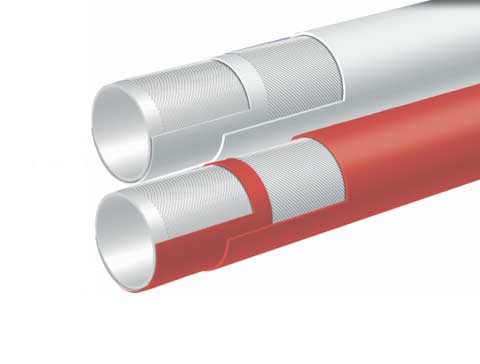
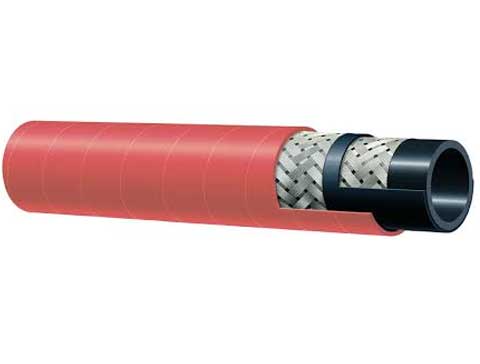
The long lifespan of EPDM hoses that are resistant to coolant not only depends on the inner layer material, but also on the system integration from the inside out. The inner rubber layer is made of peroxide vulcanized EPDM, which has a smooth surface and anti-static properties, effectively reducing the adhesion of particles in the coolant; The reinforcement layer is woven with one or two layers of synthetic fibers, giving the hose the necessary working pressure (1.0-1.38 MPa) and a burst pressure of 4 times the safety factor, while maintaining a very small bending radius (such as a small bending radius of only 37 mm for 3/8 inch specifications), suitable for the narrow pipe space inside the cabinet. The outer layer is made of weather resistant and ozone resistant flame retardant EPDM, which has passed UL94 V0 flame retardant certification. The material can quickly self extinguish in vertical combustion testing without producing ignition droplets, providing a fire safety barrier for high-density computer rooms.
The low coolant evaporation characteristic is its implicit advantage in achieving "zero maintenance". The dense molecular structure of EPDM makes it difficult for water molecules and ethylene glycol molecules to penetrate the pipe wall, and the evaporation loss rate of coolant is much lower than that of PVC or TPU hoses. In data center liquid cooling systems, this means that the system does not require frequent refilling, the sealing performance is stable for a long time, and the operation and maintenance costs are significantly reduced.
At the application level, when selecting, it should be noted that EPDM hoses are compatible with water-based media such as water, water ethylene glycol, water propylene glycol, antifreeze, etc., but not resistant to non-polar media such as mineral oil, gasoline, animal and vegetable fats. If the system uses immersion liquid cooling with fluorinated liquid, it needs to be replaced with PTFE or FEP material hoses. In terms of joints, EPDM sealing rings also need to use peroxide vulcanization formula to ensure compatibility with the hose material in the same system and avoid the joint becoming an aging short board.
In summary, the coolant resistant EPDM rubber hose, with its four core technologies of chemical inertness of EPDM saturated molecular chains, zinc free safety of peroxide vulcanization system, flexible pressure resistance reinforced by fiber weaving, and safety protection of V0 level flame retardancy, perfectly meets the strict requirements of data centers and industrial liquid cooling systems for "compatibility with water ethylene glycol propylene glycol, aging resistance, hydrolysis resistance, and long life". From a wide temperature range of -40 ℃ to 125 ℃ to a matching lifespan of 7-10 years, from a low precipitation of 0.1ppm to a small bending radius of 37mm, every technical detail points to the same goal: providing reliable guarantees of zero leakage, zero blockage, and zero maintenance for equipment thermal management in a 7x24 hour uninterrupted cooling system.
1、 Molecular code: The "non-polar saturated" structure of EPDM and its resistance to media genes
The excellent chemical stability of EPDM rubber hoses resistant to coolant is rooted in the unique molecular structure of EPDM rubber. EPDM belongs to non-polar, saturated structural rubber - the so-called "non-polar" refers to the absence of polar groups inside the molecule, following the principle of "similar solubility", and naturally inert to polar media such as water, ethylene glycol, propylene glycol, etc; The so-called "saturation" refers to the absence of easily oxidizable unsaturated double bonds in the main chain of the molecule, endowing the material with excellent resistance to ozone, weather, and thermal oxidative aging.
In the standard test of coolant hoses, EPDM material needs to pass the antifreeze immersion test at 150 ℃ for 166 hours. The hardness change is required to be controlled within ± 5, the tensile strength change is ± 20%, the elongation at break change is -15% to 20%, and the volume change is within ± 5%. This strict indicator means that the physical properties of the hose remain stable even after long-term exposure to coolant, and will not cause inner swelling, blockage of the flow channel, or sealing failure due to medium erosion.
For the transportation of water ethylene glycol and propylene glycol media, the dedicated coolant pipes for data centers have been designed with EPDM inner rubber layer, which is compatible with ethylene glycol antifreeze, propylene glycol antifreeze, deionized water and other media. The working temperature covers -40 ℃ to+100 ℃. For wider temperature range requirements, peroxide cured EPDM liquid cooled hoses can reach temperatures ranging from -40 ℃ to+125 ℃, meeting the temperature shock that varies with load inside server cabinets.
2、 Zinc free sulfurization: how peroxide systems can solve the dilemma of "precipitation corrosion"
The traditional sulfur vulcanization system relies on zinc oxide (zinc white) as an active agent, which remains in the rubber in the form of zinc salts after vulcanization. These zinc salts will gradually migrate to the surface of the rubber over time, dissolve in the coolant, and react with phosphate additives to form insoluble substances - these deposits may block the microchannels of the cold plate or accumulate at the joint seal, causing coolant leakage.
The peroxide vulcanization system is the core solution to address the pain points in this industry. This system does not require the addition of zinc oxide, fundamentally eliminating the risk of zinc salt precipitation. However, to achieve a balance between "zinc free" and "heat-resistant aging", precise material design is required: the iodine value (iodine value) of EPDM represents its degree of unsaturation, and a low iodine value (<10) results in insufficient cross-linking density and significant performance degradation after thermal aging; If the iodine value is too high (>24), the physical properties at room temperature will decrease. The technology locks the iodine value at 10-24, combined with peroxide vulcanizing agents and quinoline anti-aging agents (dosage ≤ 3 parts/100 parts EPDM), which ensures the anti cracking performance after thermal aging and avoids the interference of anti-aging agents on vulcanization.
The liquid cooled hose with peroxide vulcanized EPDM inner layer can not only pass the 150 ℃/166h antifreeze immersion test, but also control the impurity content in the coolant below 0.1ppm, avoiding pipeline corrosion or micro blockage. This "zinc free - hydrolysis resistant" design allows the hose life to match the 7-10 year operating cycle of data centers.
3、 Structural synergy: Full life guarantee from low permeability to V0 flame retardancy
The long lifespan of EPDM hoses that are resistant to coolant not only depends on the inner layer material, but also on the system integration from the inside out. The inner rubber layer is made of peroxide vulcanized EPDM, which has a smooth surface and anti-static properties, effectively reducing the adhesion of particles in the coolant; The reinforcement layer is woven with one or two layers of synthetic fibers, giving the hose the necessary working pressure (1.0-1.38 MPa) and a burst pressure of 4 times the safety factor, while maintaining a very small bending radius (such as a small bending radius of only 37 mm for 3/8 inch specifications), suitable for the narrow pipe space inside the cabinet. The outer layer is made of weather resistant and ozone resistant flame retardant EPDM, which has passed UL94 V0 flame retardant certification. The material can quickly self extinguish in vertical combustion testing without producing ignition droplets, providing a fire safety barrier for high-density computer rooms.
The low coolant evaporation characteristic is its implicit advantage in achieving "zero maintenance". The dense molecular structure of EPDM makes it difficult for water molecules and ethylene glycol molecules to penetrate the pipe wall, and the evaporation loss rate of coolant is much lower than that of PVC or TPU hoses. In data center liquid cooling systems, this means that the system does not require frequent refilling, the sealing performance is stable for a long time, and the operation and maintenance costs are significantly reduced.
At the application level, when selecting, it should be noted that EPDM hoses are compatible with water-based media such as water, water ethylene glycol, water propylene glycol, antifreeze, etc., but not resistant to non-polar media such as mineral oil, gasoline, animal and vegetable fats. If the system uses immersion liquid cooling with fluorinated liquid, it needs to be replaced with PTFE or FEP material hoses. In terms of joints, EPDM sealing rings also need to use peroxide vulcanization formula to ensure compatibility with the hose material in the same system and avoid the joint becoming an aging short board.
In summary, the coolant resistant EPDM rubber hose, with its four core technologies of chemical inertness of EPDM saturated molecular chains, zinc free safety of peroxide vulcanization system, flexible pressure resistance reinforced by fiber weaving, and safety protection of V0 level flame retardancy, perfectly meets the strict requirements of data centers and industrial liquid cooling systems for "compatibility with water ethylene glycol propylene glycol, aging resistance, hydrolysis resistance, and long life". From a wide temperature range of -40 ℃ to 125 ℃ to a matching lifespan of 7-10 years, from a low precipitation of 0.1ppm to a small bending radius of 37mm, every technical detail points to the same goal: providing reliable guarantees of zero leakage, zero blockage, and zero maintenance for equipment thermal management in a 7x24 hour uninterrupted cooling system.
Previous: